Discover Tui
Tui is many things
Choose a segment to explore heritage, nature, the Camino, river, culture and gastronomy.
History, nature, culture and gastronomy come together in a city shaped by Tui’s relationship with its surroundings, the Miño and Portugal. Explore its historic quarter, admire the landscape from Monte Aloia, follow in the footsteps of pilgrims heading for Santiago and discover the places, traditions and flavours that form part of Tui’s identity. Choose a section and start exploring Tui.
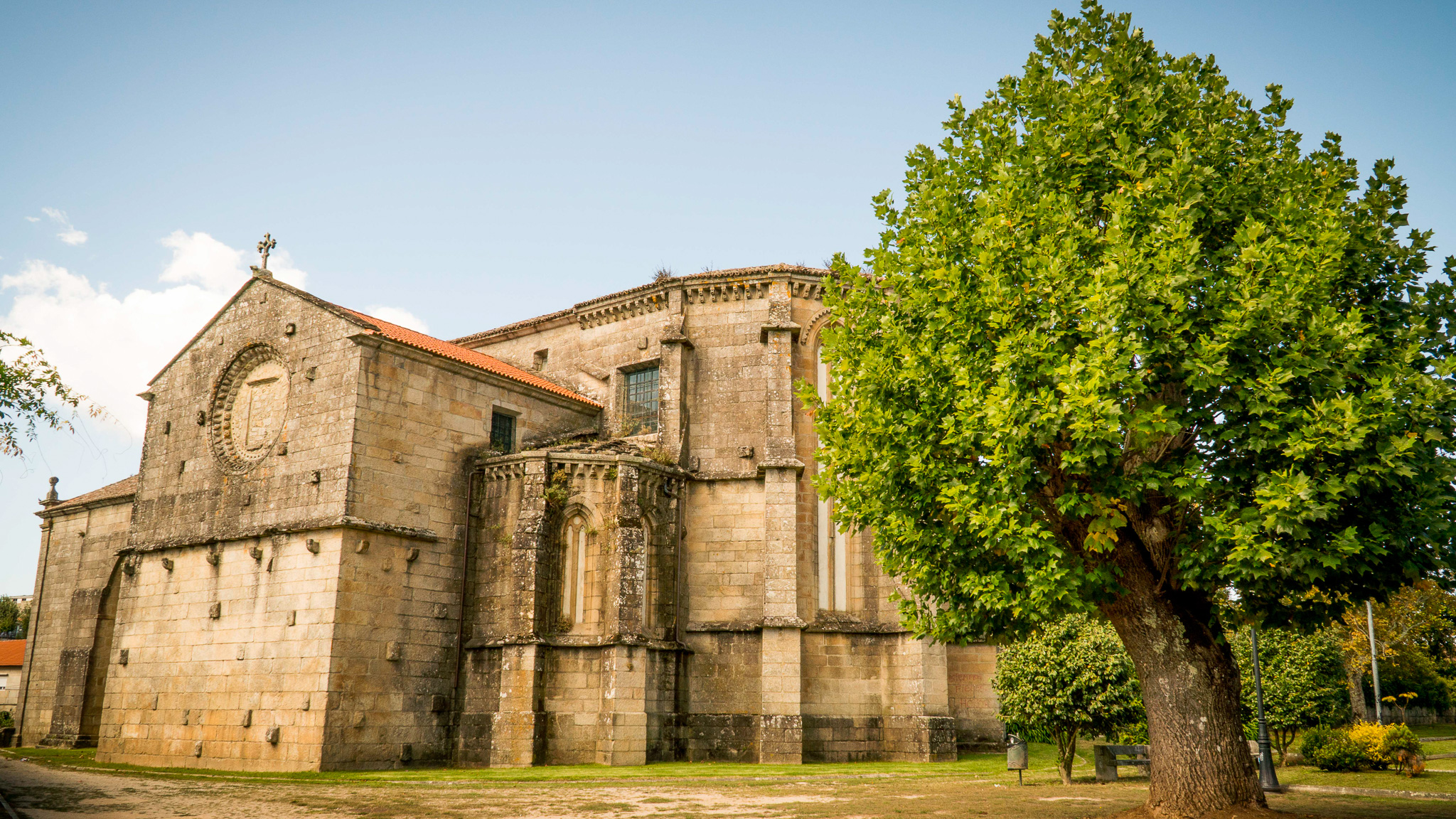
Tui preserves one of Galicia’s most important historic ensembles, the result of its strategic position beside the River Miño, its status as a border city and its religious, defensive and commercial importance over the centuries. The Cathedral of Santa María dominates a maze of streets, squares and passageways where medieval walls, modern fortifications, convents, churches, old houses and spaces connected with the Jewish community coexist.
Exploring this heritage reveals the mark left by each period and helps visitors understand the evolution of a city built around the border, faith and exchange with Portugal.
Tui’s territory encompasses a wide variety of natural spaces, from the forests and viewpoints of Monte Aloia, Galicia’s first natural park, to the banks of the Miño and Furnia rivers. Discover paths among mills and riverside woods, places for birdwatching, river beaches, thermal waters and ancient settlements integrated into the landscape, such as Castro Alto dos Cubos. A journey through very different spaces that reveals how water, relief and human presence have shaped Tui’s landscape.
The Portuguese Way has been part of Tui’s history since the Middle Ages, although its route follows much older roads, such as the Roman Via XIX. After crossing the Miño from Valença, Tui becomes the gateway to the Camino in Galicia and a place of passage and welcome for generations of pilgrims. This relationship has left its mark on the Cathedral, the former hospital, the churches and the streets of the historic quarter. This section introduces the route and the Jacobean heritage that remains part of everyday life in the city.
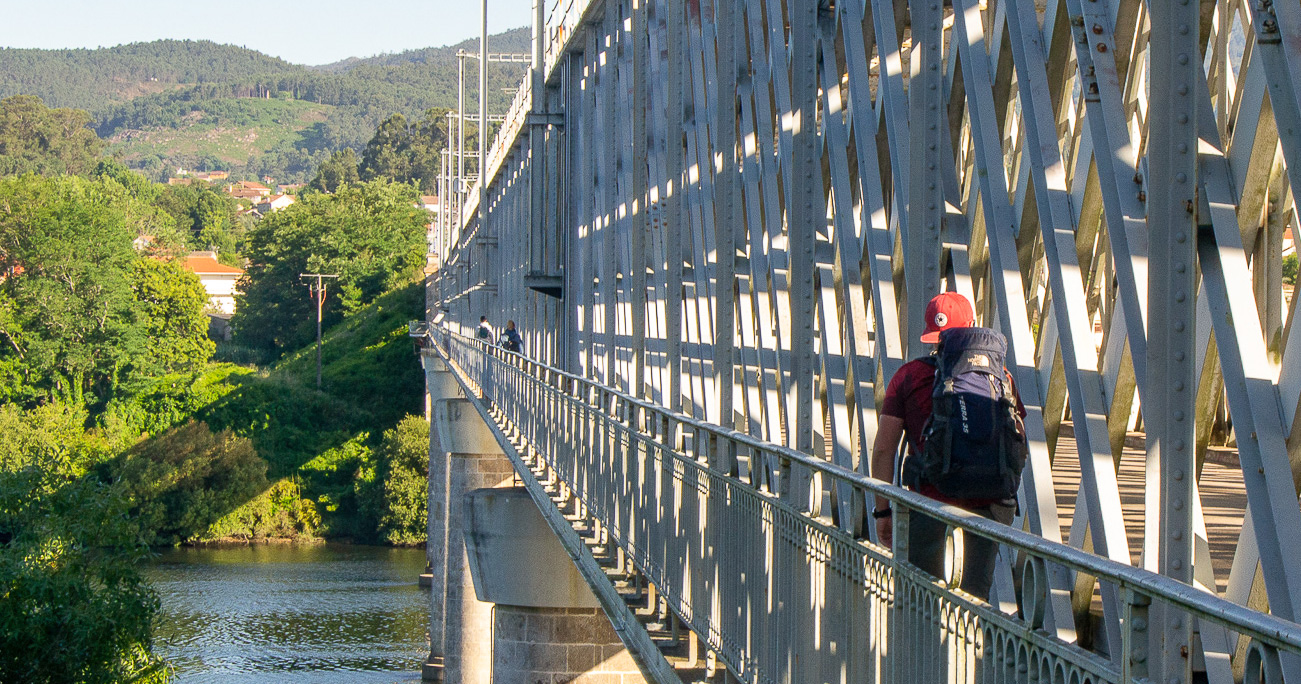
The Miño is one of the defining elements of Tui’s history and identity. For centuries it was a natural border with Portugal, but also a communication route and a meeting point between both banks. Its presence shaped how the city grew, defended itself and connected with its surroundings, from the old ferry crossings to the opening of the International Bridge in 1886. Today the river continues to unite Tui and Valença and remains a place for nature, walking, boating and leisure. This section explores Tui’s historic and present-day relationship with the Miño.
Tui’s culture is tied to its history, its parishes and its relationship with the Baixo Miño and Portugal. Its traditions, festivals, music, trades and ways of life have created a distinctive identity that remains present today. This section brings together places and features related to local culture, from archaeological remains and traditional buildings to spaces associated with work and everyday life.