
Discover Tui
Tui is many things
Choose a segment to explore heritage, nature, the Camino, river, culture and gastronomy.
History, nature, culture and gastronomy come together in a city shaped by Tui’s relationship with its surroundings, the Miño and Portugal. Explore its historic quarter, admire the landscape from Monte Aloia, follow in the footsteps of pilgrims heading for Santiago and discover the places, traditions and flavours that form part of Tui’s identity. Choose a section and start exploring Tui.
Tui preserves one of Galicia’s most important historic ensembles, the result of its strategic position beside the River Miño, its status as a border city and its religious, defensive and commercial importance over the centuries. The Cathedral of Santa María dominates a maze of streets, squares and passageways where medieval walls, modern fortifications, convents, churches, old houses and spaces connected with the Jewish community coexist.
Exploring this heritage reveals the mark left by each period and helps visitors understand the evolution of a city built around the border, faith and exchange with Portugal.
Tui’s territory encompasses a wide variety of natural spaces, from the forests and viewpoints of Monte Aloia, Galicia’s first natural park, to the banks of the Miño and Furnia rivers. Discover paths among mills and riverside woods, places for birdwatching, river beaches, thermal waters and ancient settlements integrated into the landscape, such as Castro Alto dos Cubos. A journey through very different spaces that reveals how water, relief and human presence have shaped Tui’s landscape.
The Portuguese Way has been part of Tui’s history since the Middle Ages, although its route follows much older roads, such as the Roman Via XIX. After crossing the Miño from Valença, Tui becomes the gateway to the Camino in Galicia and a place of passage and welcome for generations of pilgrims. This relationship has left its mark on the Cathedral, the former hospital, the churches and the streets of the historic quarter. This section introduces the route and the Jacobean heritage that remains part of everyday life in the city.
The Miño is one of the defining elements of Tui’s history and identity. For centuries it was a natural border with Portugal, but also a communication route and a meeting point between both banks. Its presence shaped how the city grew, defended itself and connected with its surroundings, from the old ferry crossings to the opening of the International Bridge in 1886. Today the river continues to unite Tui and Valença and remains a place for nature, walking, boating and leisure. This section explores Tui’s historic and present-day relationship with the Miño.
Tui’s culture is tied to its history, its parishes and its relationship with the Baixo Miño and Portugal. Its traditions, festivals, music, trades and ways of life have created a distinctive identity that remains present today. This section brings together places and features related to local culture, from archaeological remains and traditional buildings to spaces associated with work and everyday life.
 PAT · Heritage
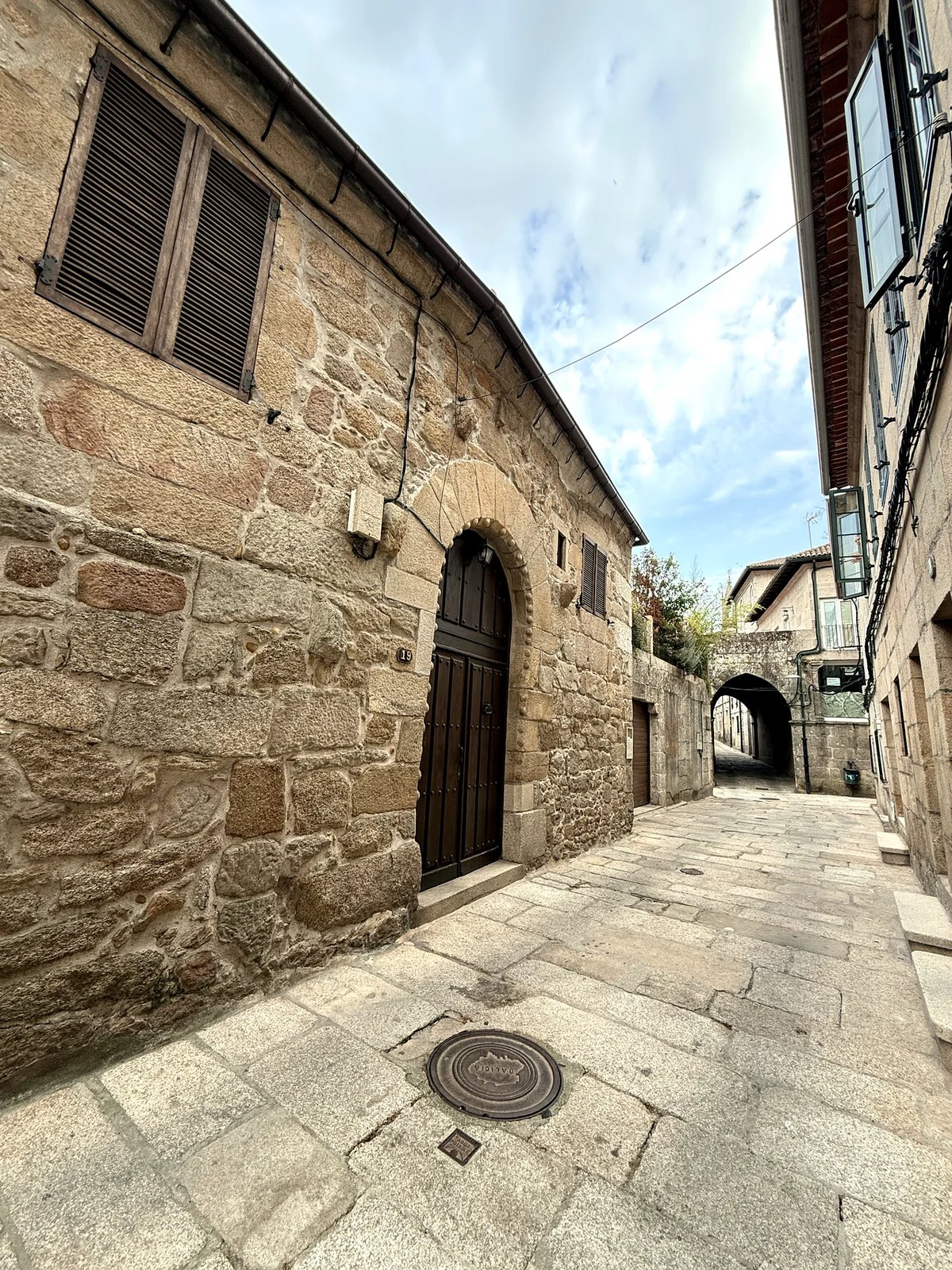
Romanesque Chapel
This Romanesque chapel preserves a twelfth-century doorway decorated with balls on the chamfer, linked to medieval confraternities and…
View details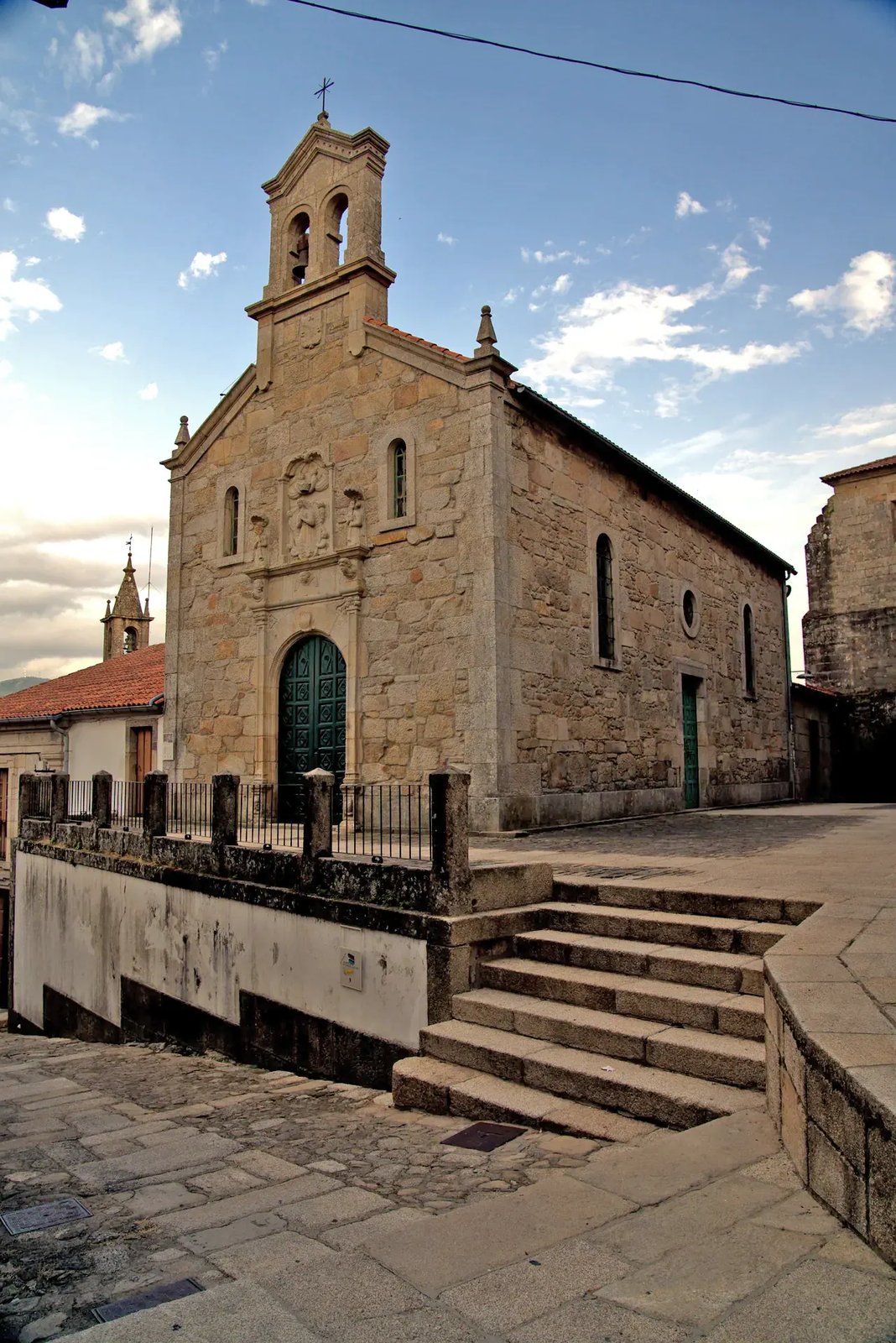 PAT · Heritage
Chapel of Mercy
The Chapel of Mercy belongs to the Holy House founded in Tui on the Portuguese model and approved…
View details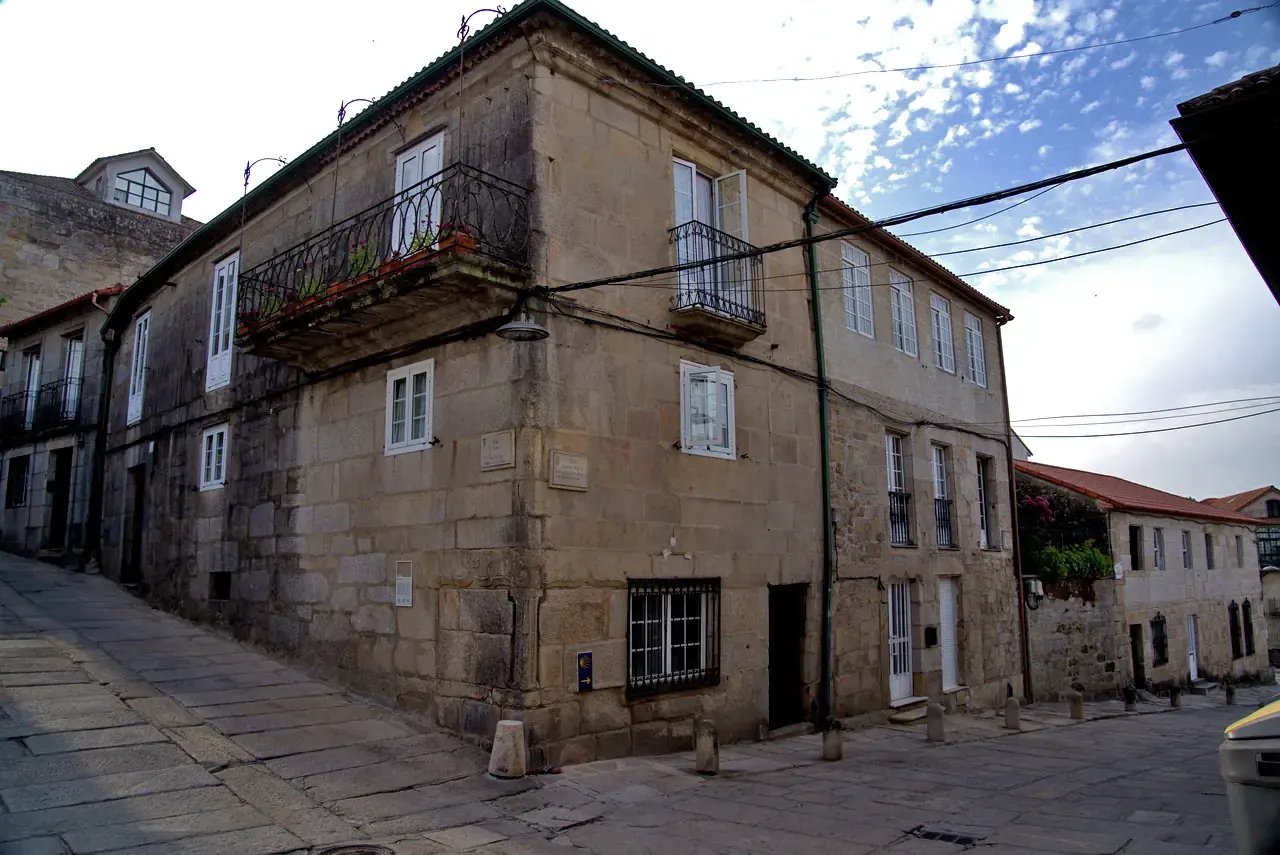 PAT · Heritage
Casa da Vara
Casa da Vara is named after a corner column traditionally used as a measuring rod. It was a…
View details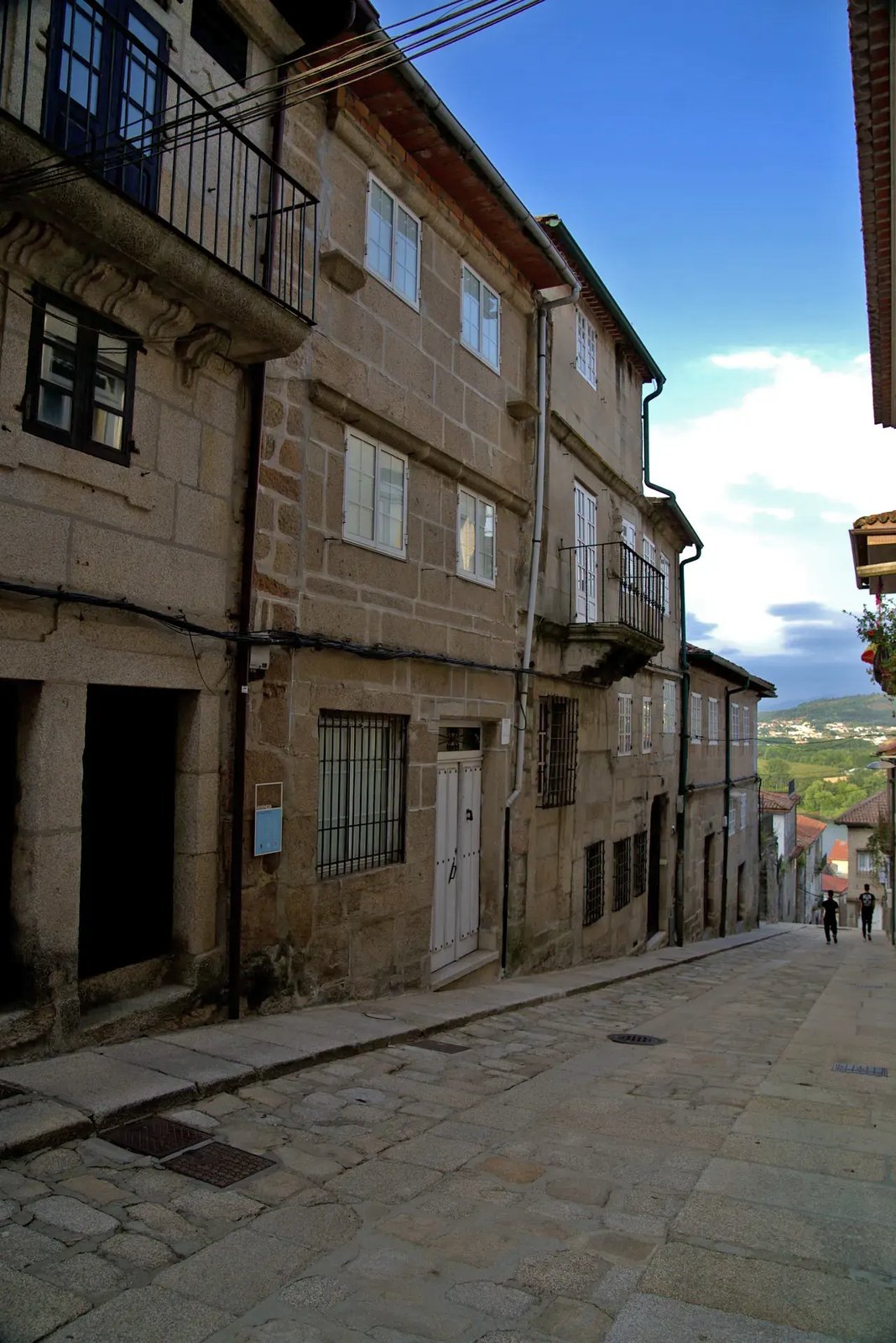 PAT · Heritage
House of Salomón
The House of Solomon reflects the importance of the Jewish community in medieval Tui. Organised around a courtyard,…
View details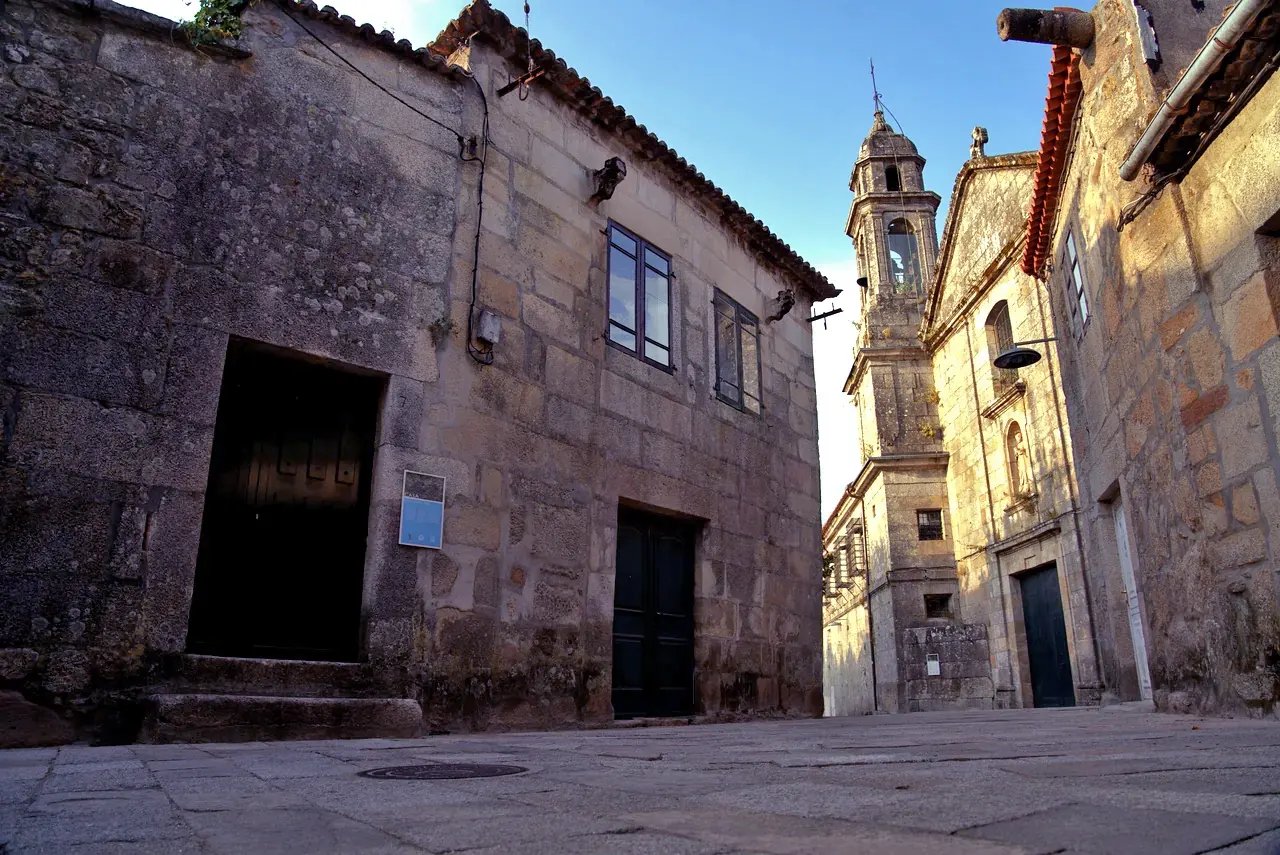 PAT · Heritage
Chaplains’ House
Casa dos Capeláns is a fifteenth-century Gothic house in the former Jewish quarter. Its ogee-arched doorway led to…
View details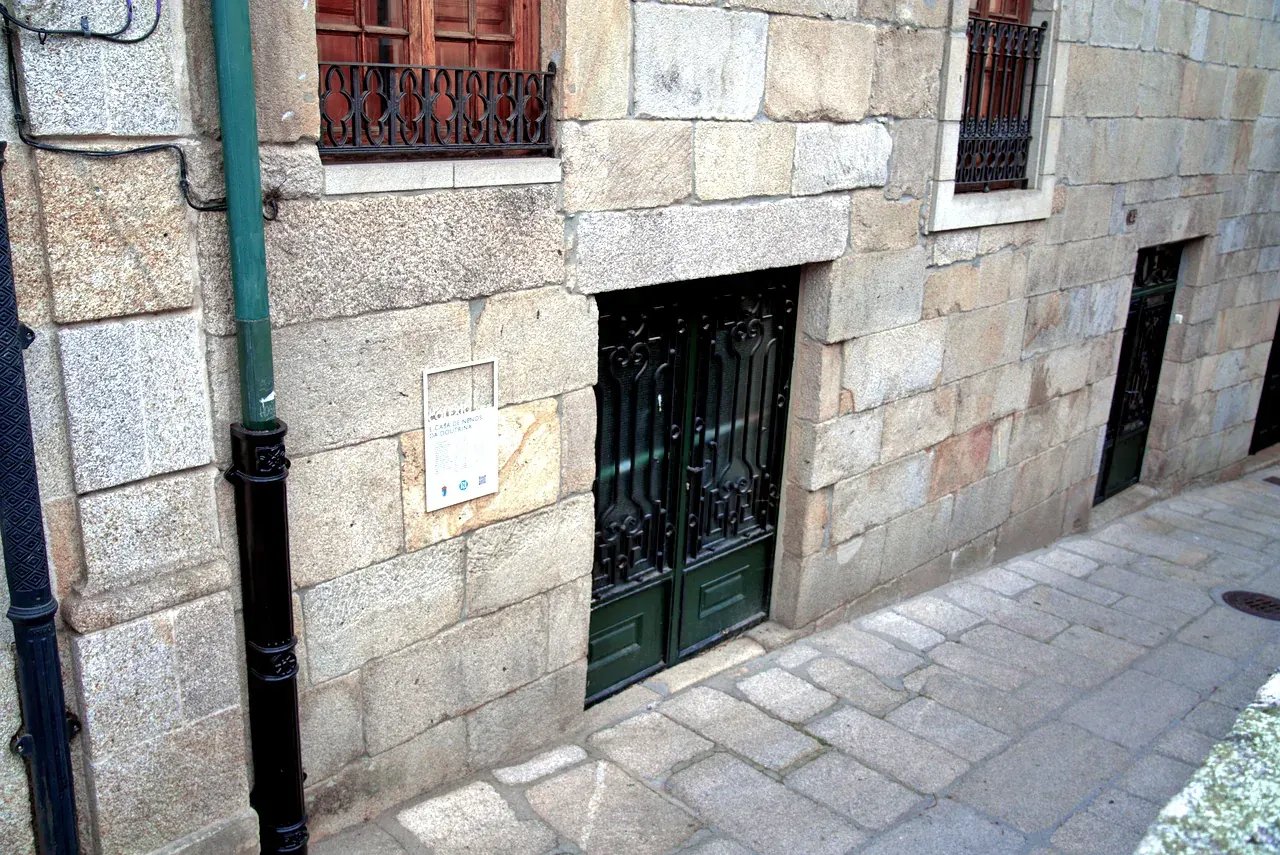 PAT · Heritage
Doctrine Children’s House
Casa de Nenos da Doutrina was built in 1556 and is among Spain's earliest school-hospices. It later housed…
View details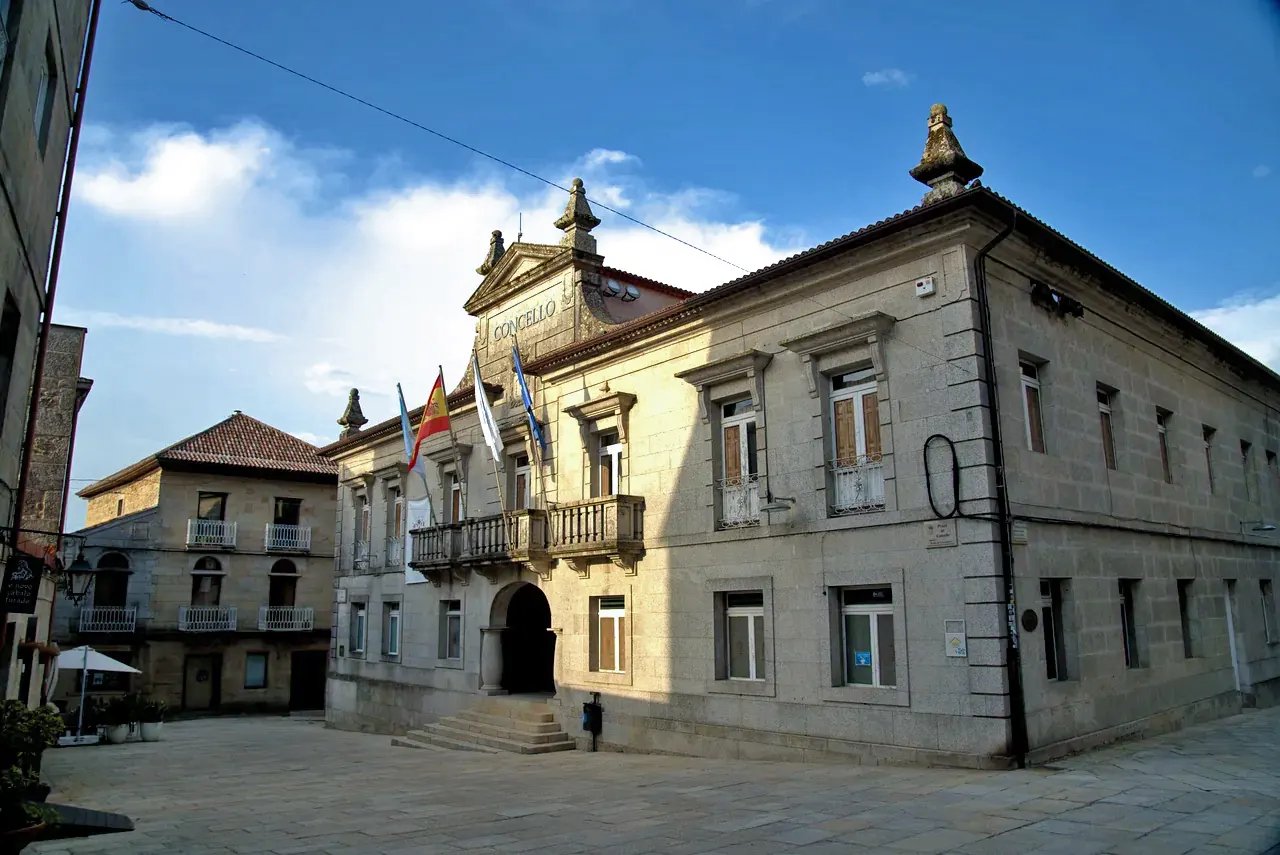 PAT · Heritage
Tui Town Hall
Tui Town Hall occupies a central point in the civic life of the historic city. Its immediate surroundings…
View details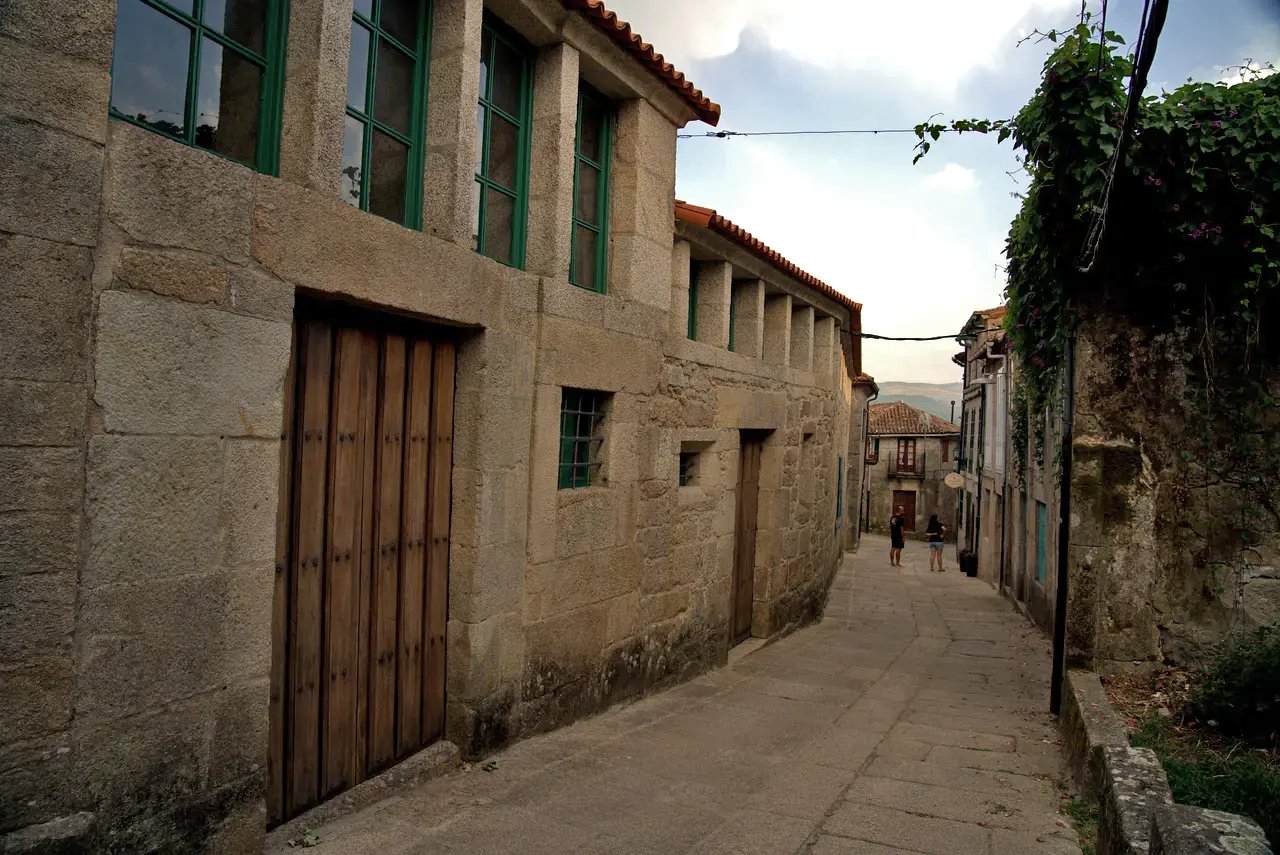 PAT · Heritage
Old Prison
Tui's historic prison forms part of the buildings linked to judicial and religious control in the early modern…
View details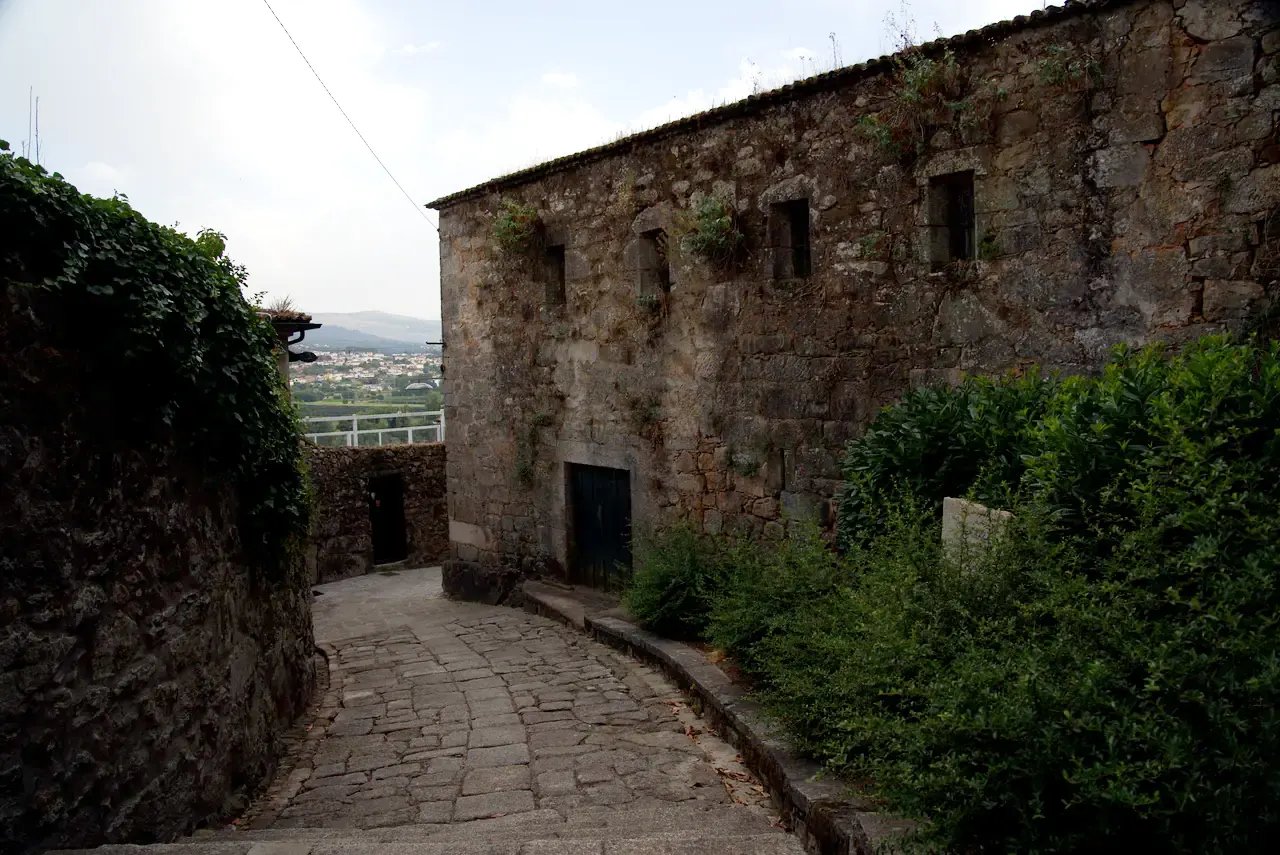 PAT · Heritage
Chapter Prison
The Chapter Prison was built in 1611 under Bishop Fray Prudencio de Sandoval. It was intended for cathedral…
View details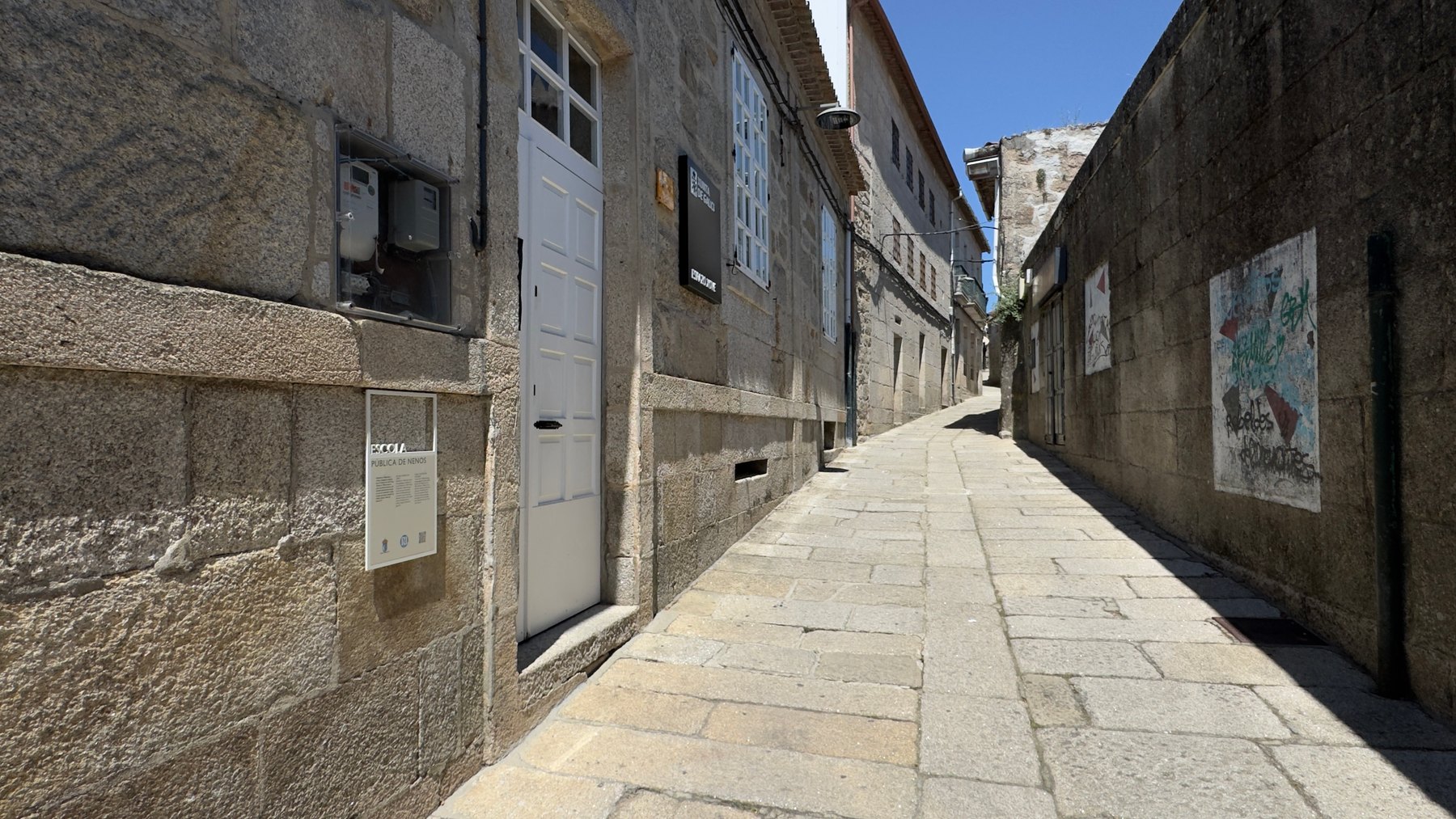 PAT · Heritage
Public Boys School
The Public School for Boys was built in 1866 under the educational principles of the Moyano Act. It…
View details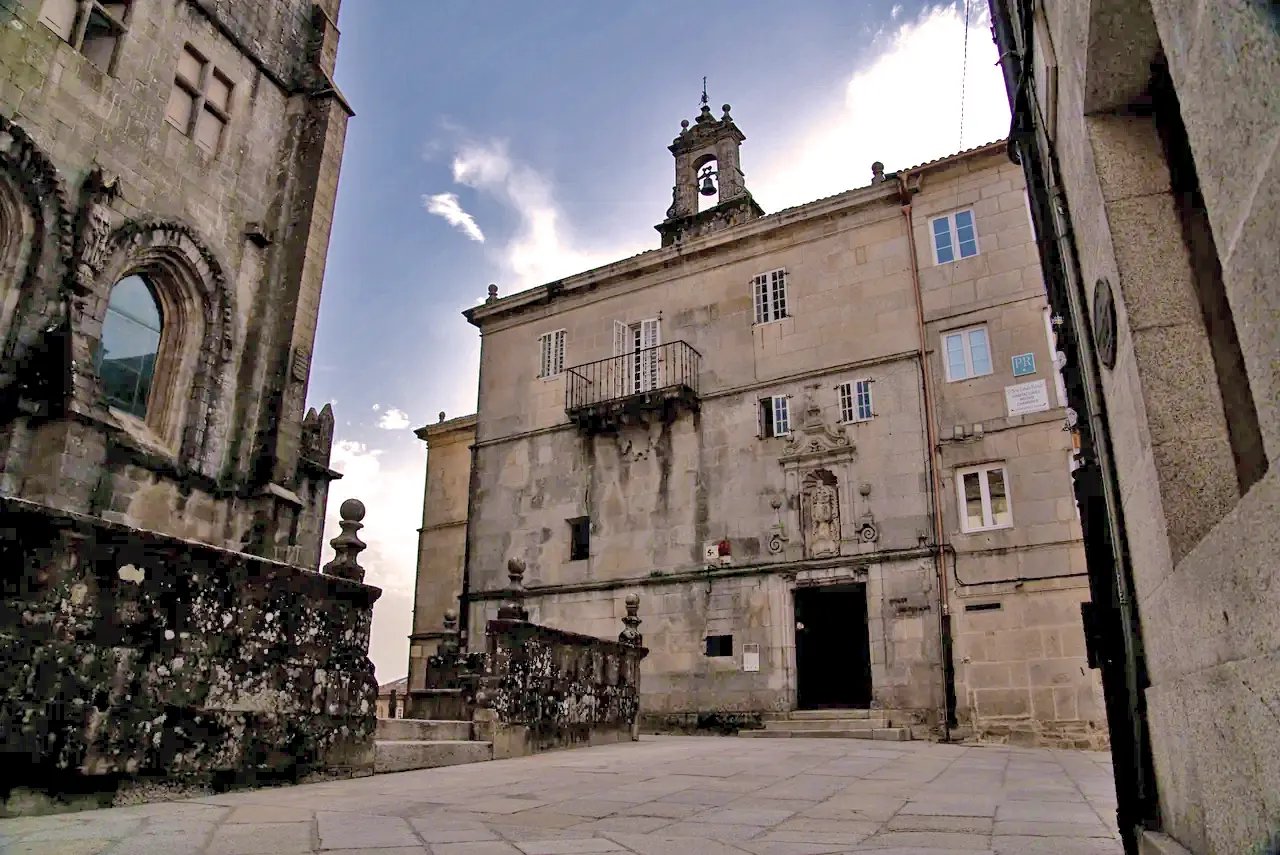 PAT · Heritage
Old Hospital for the Poor and Pilgrims
The former Hospital for the Poor and Pilgrims was promoted in 1757 by Bishop Juan Manuel Rodríguez Castañón…
View details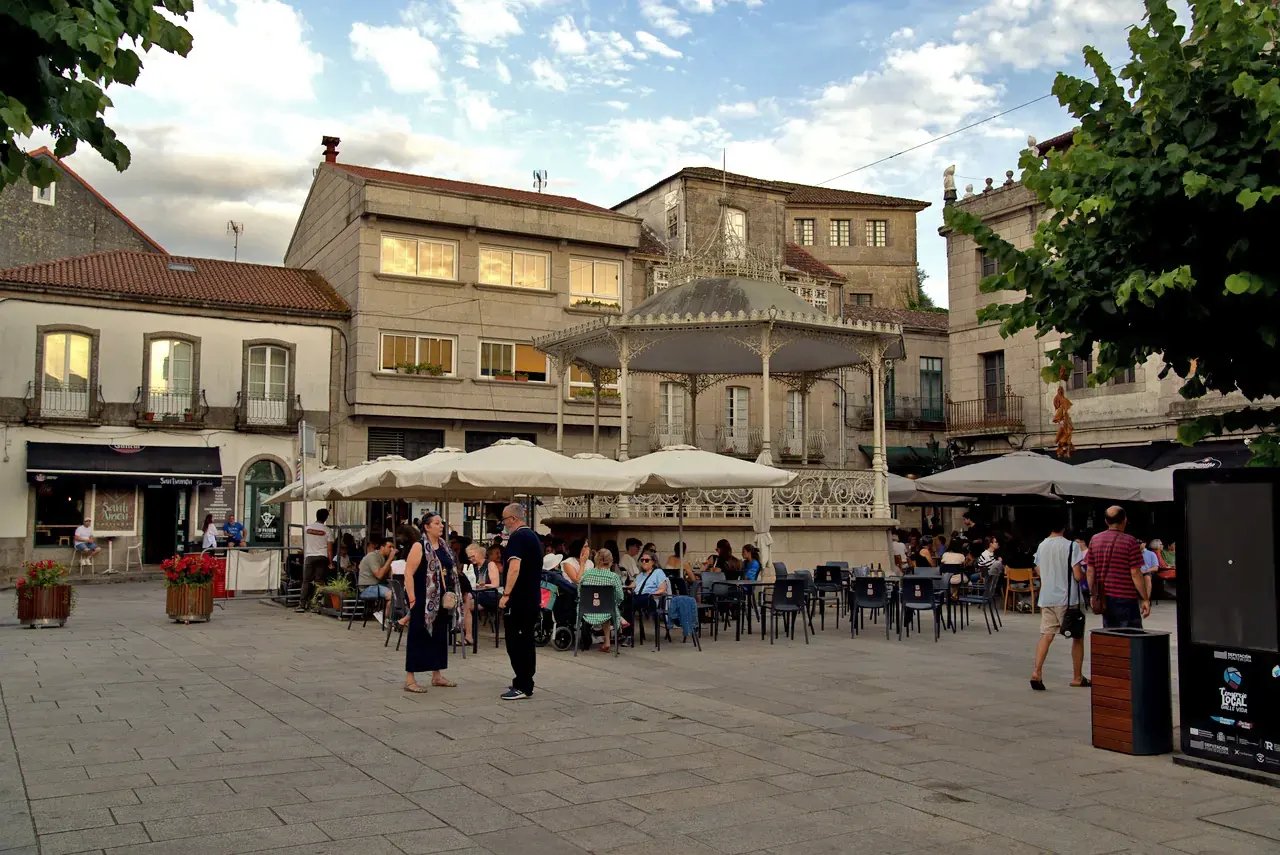 PAT · Heritage
Bandstand
The bandstand recalls the social life of La Corredoira and the urban promenades of the late nineteenth century.…
View details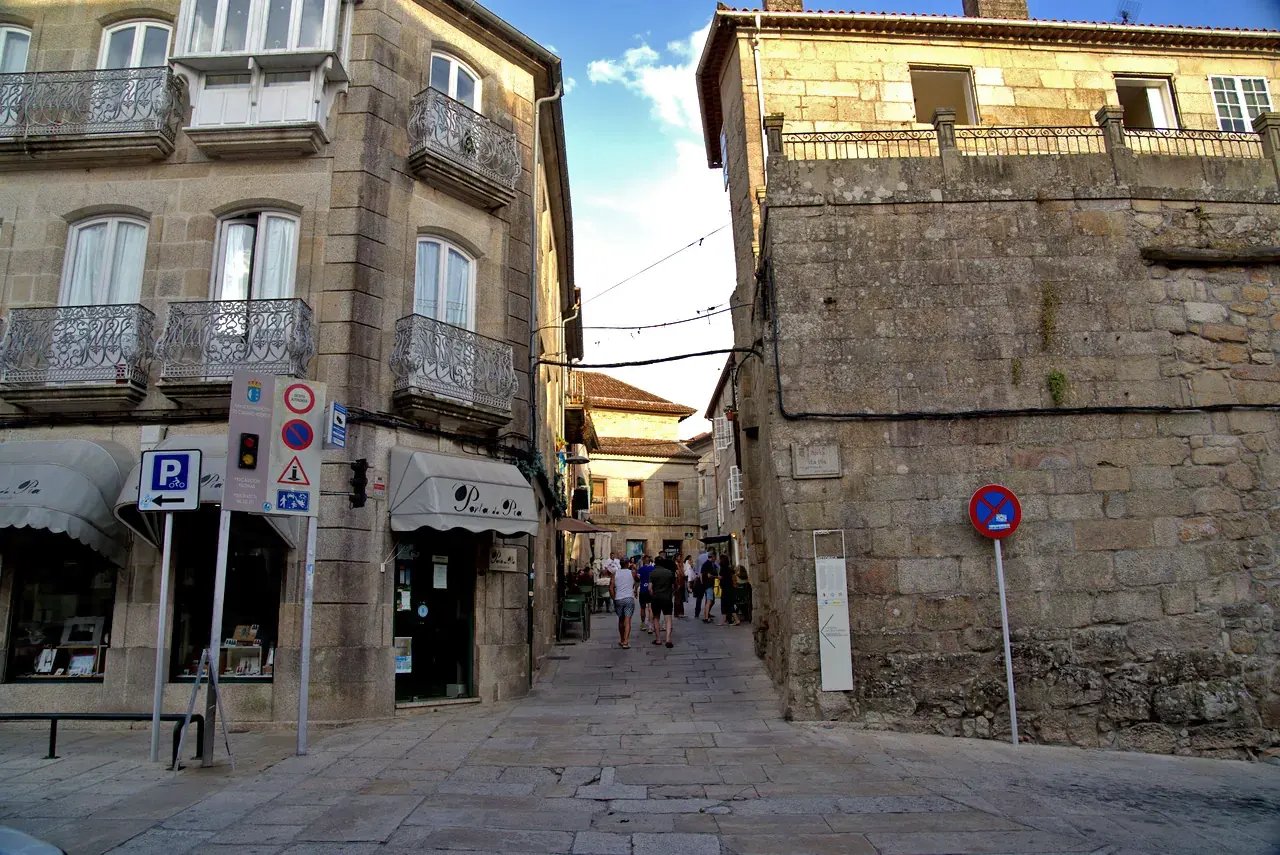 PAT · Heritage
Pía Gateway. Historic City of Tui
Porta da Pía was one of the main entrances to the medieval city and preserves part of its…
View details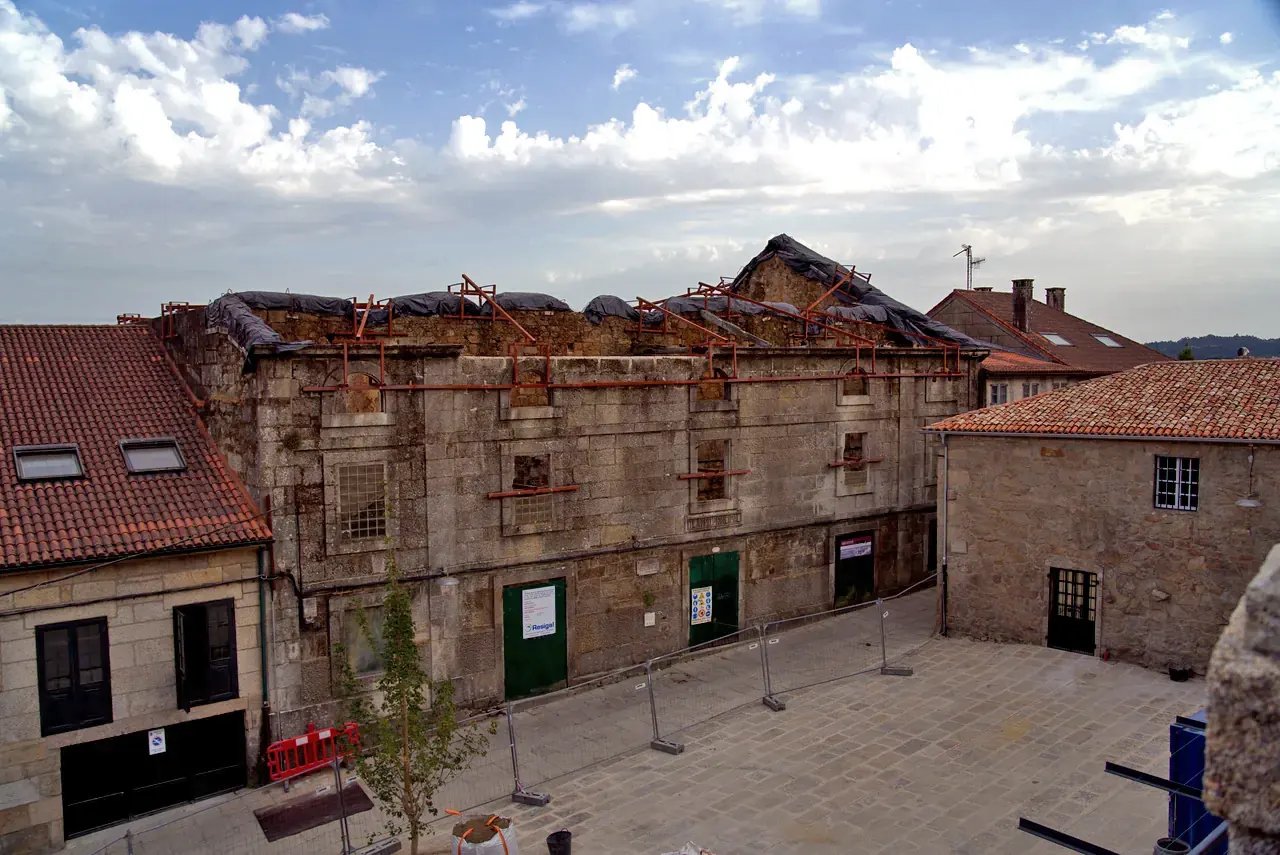 PAT · Heritage
Main Theatre
The Teatro Principal was promoted in 1842 by the town council and local bourgeoisie to provide Tui with…
View details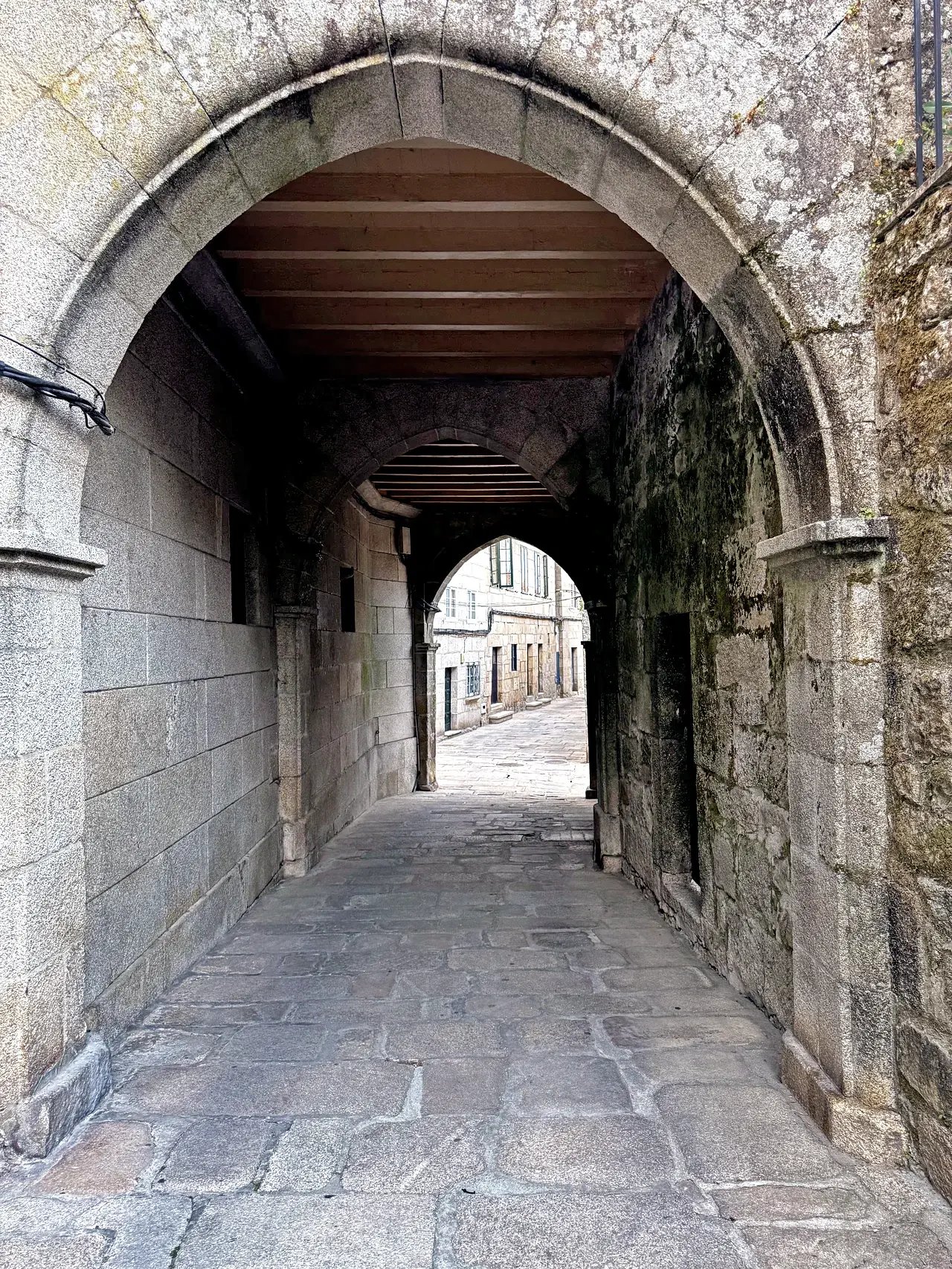 PAT · Heritage
Tower of the Arch
Torre do Arco forms part of an ensemble with a medieval house, tower, passageway and arcade. The tower,…
View details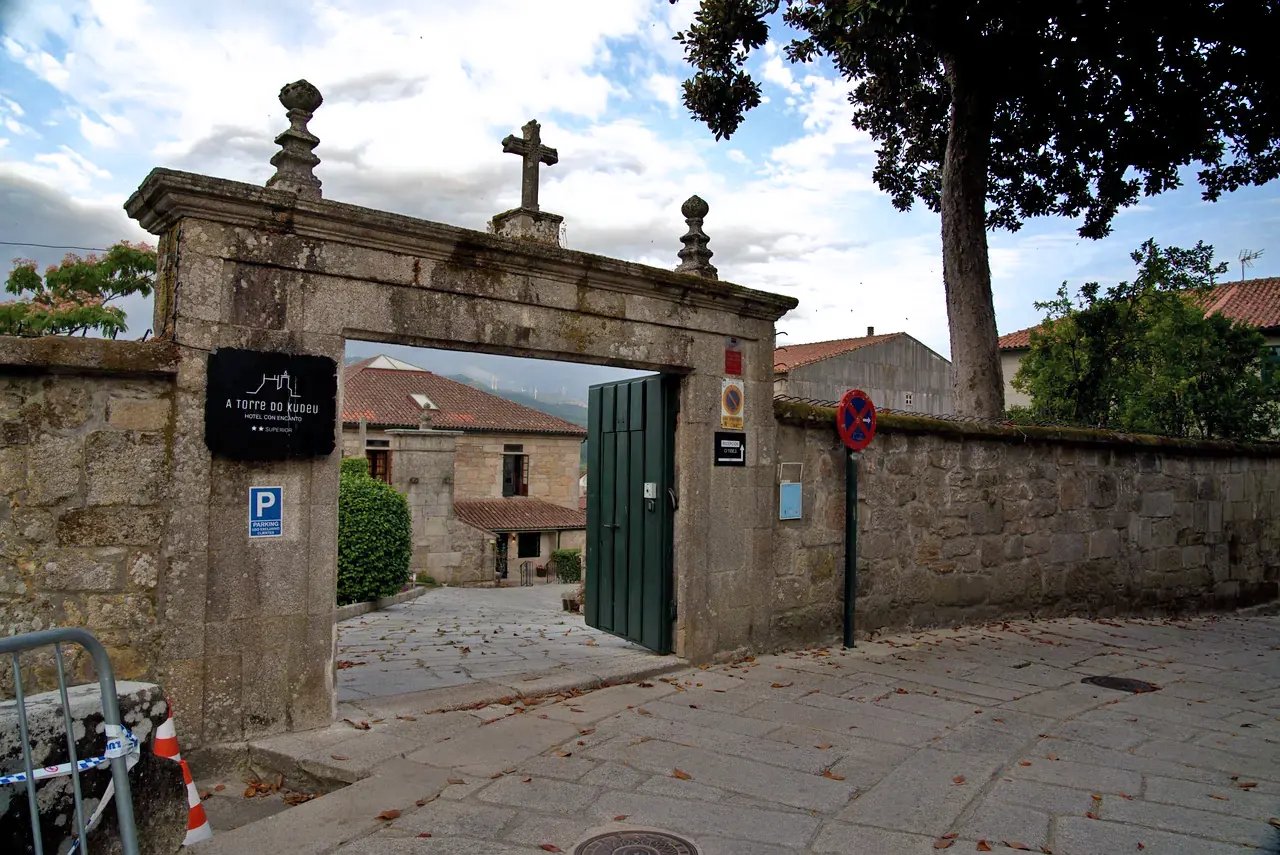 PAT · Heritage
Judaic Tower
Torre do Xudeo stands on Rúa Tide, in the historic centre and beside the Portuguese Way. Tradition links…
View details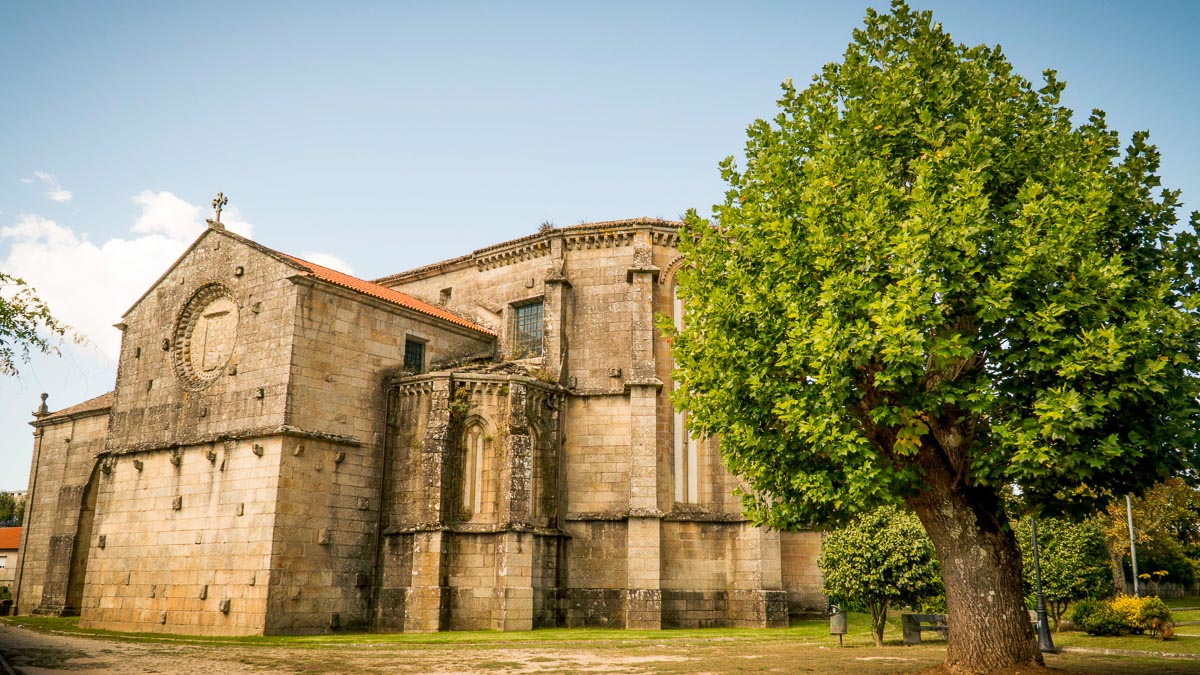 PAT · Heritage
Santo Domingo Convent Complex
The Santo Domingo complex recalls the growth of the Dominican order from its first settlement in La Corredoira…
View details PAT · Heritage
Old Santo Domingo Washhouse
The Santo Domingo spring, known in the Middle Ages as Reimiro, was one of Tui's traditional water sources…
View details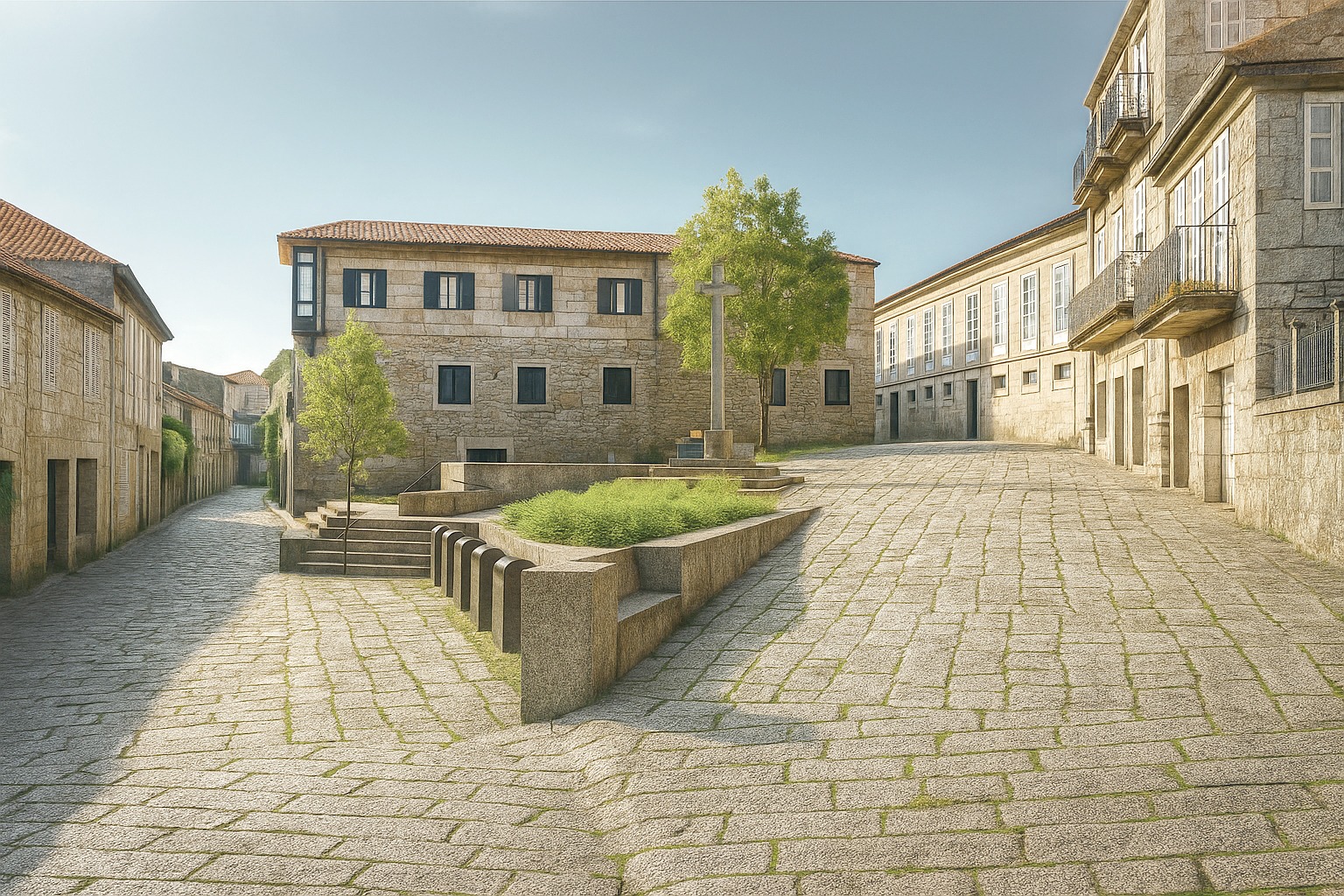 PAT · Heritage
Armada Square
Praza da Armada Española belongs to the network of public spaces in Tui's historic centre. Its position links…
View details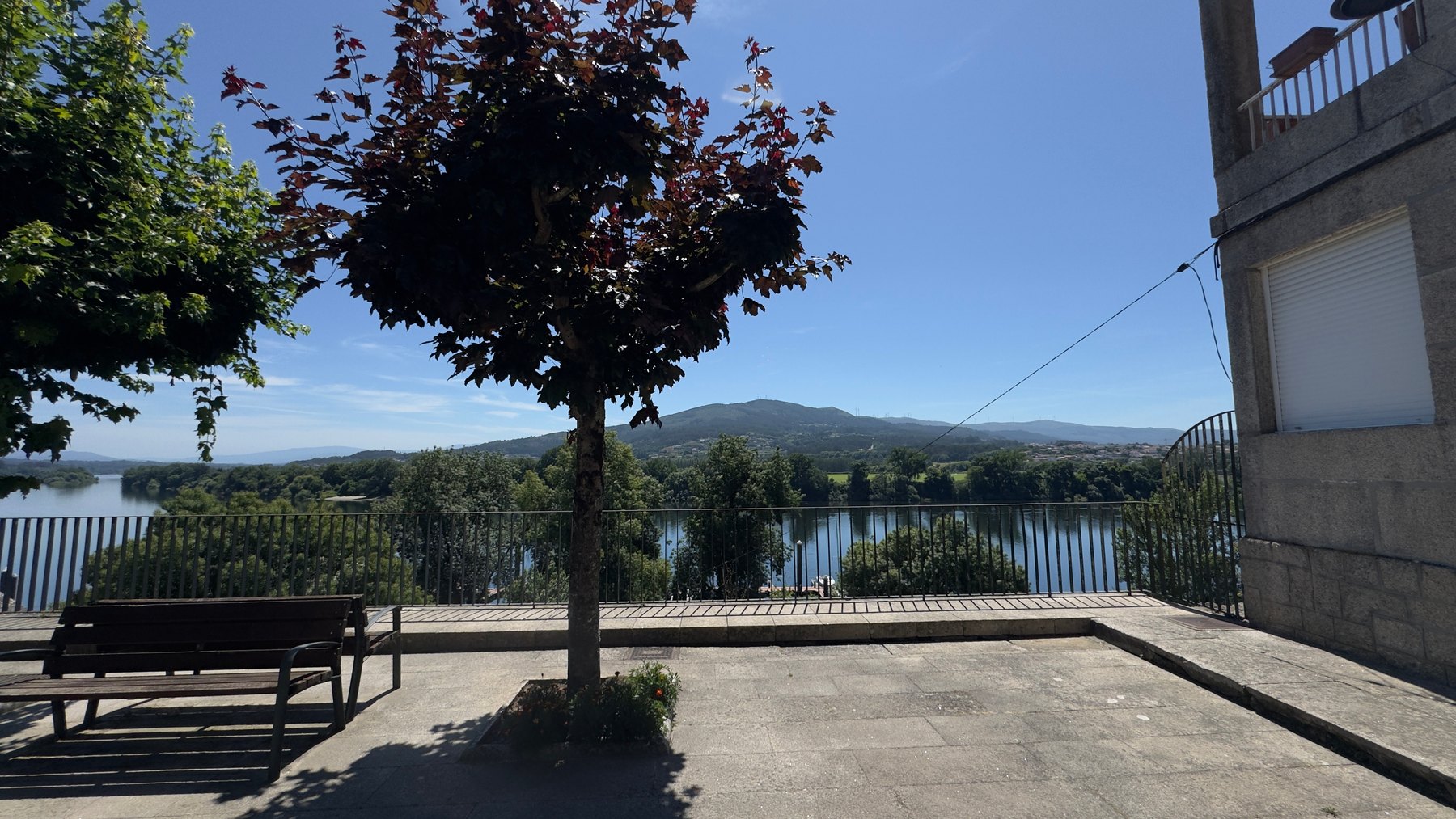 PAT · Heritage
Praza da Estrela Viewpoint
The Praza da Estrela viewpoint opens the historic centre towards the Miño and the Portuguese bank. From this…
View details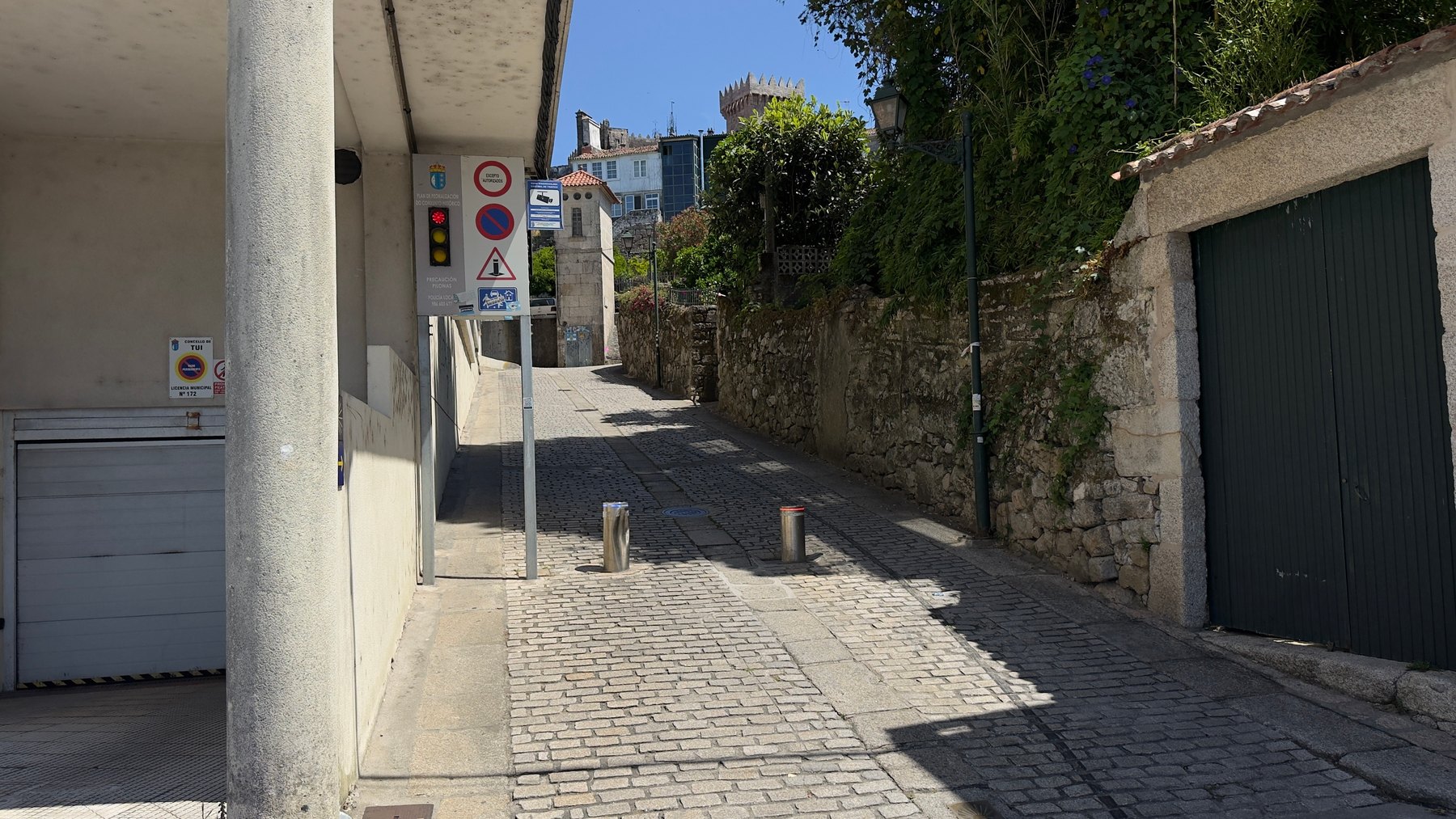 PAT · Heritage
Historic Centre Entrance
This entrance to the historic centre helps visitors understand the city from its walled edge. The wall ordered…
View details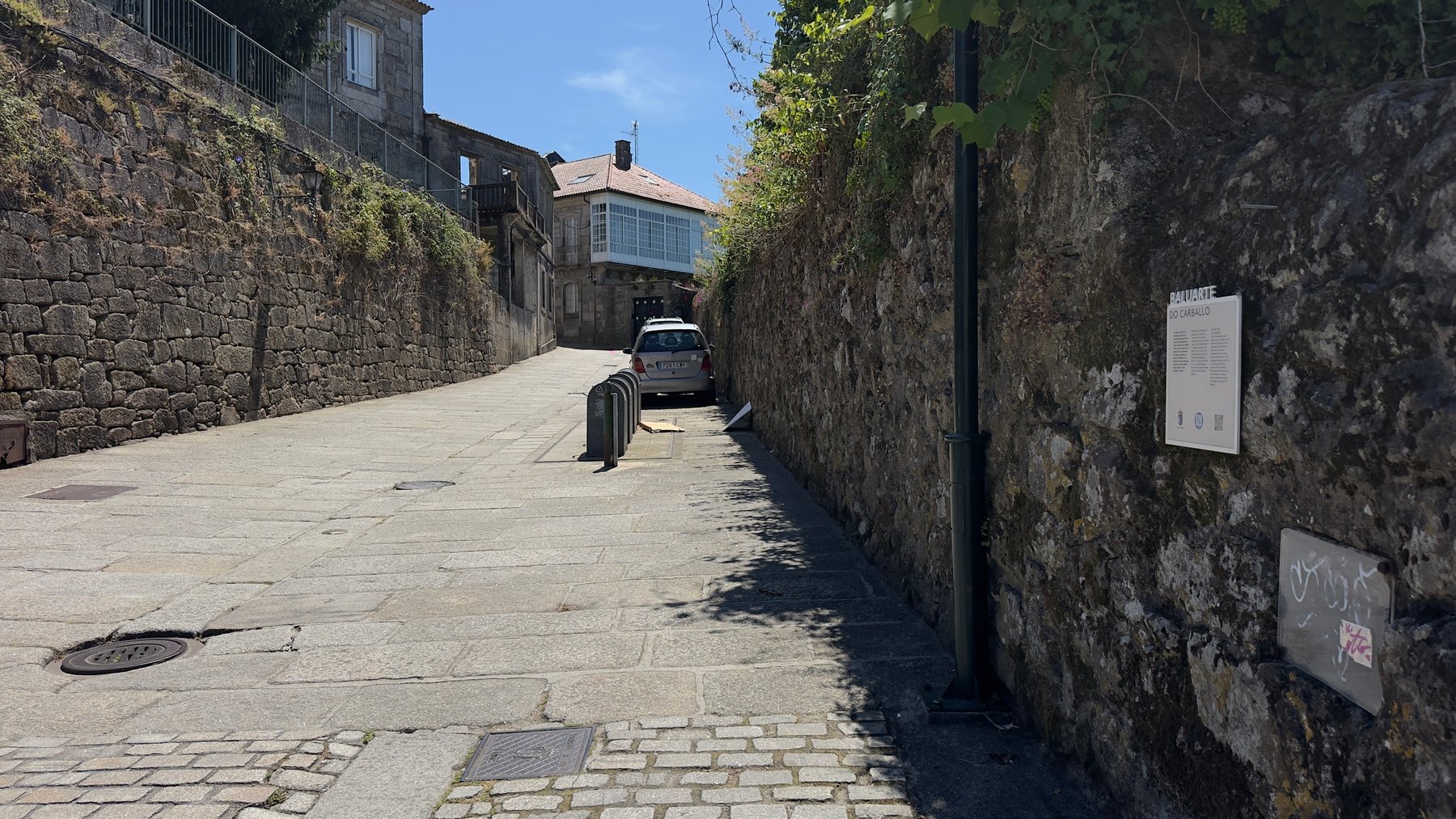 PAT · Heritage
Carballo Bastion
The Carballo bastion and battery formed part of the defensive system raised in the seventeenth century during the…
View details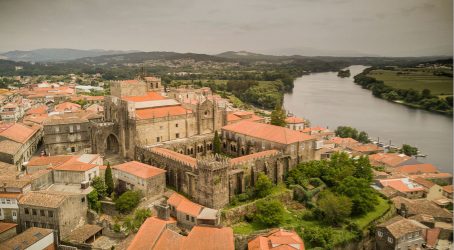 PAT · Heritage
Historic City of Tui
Tui is a city shaped by more than two thousand years of history. Its position above the Miño…
View details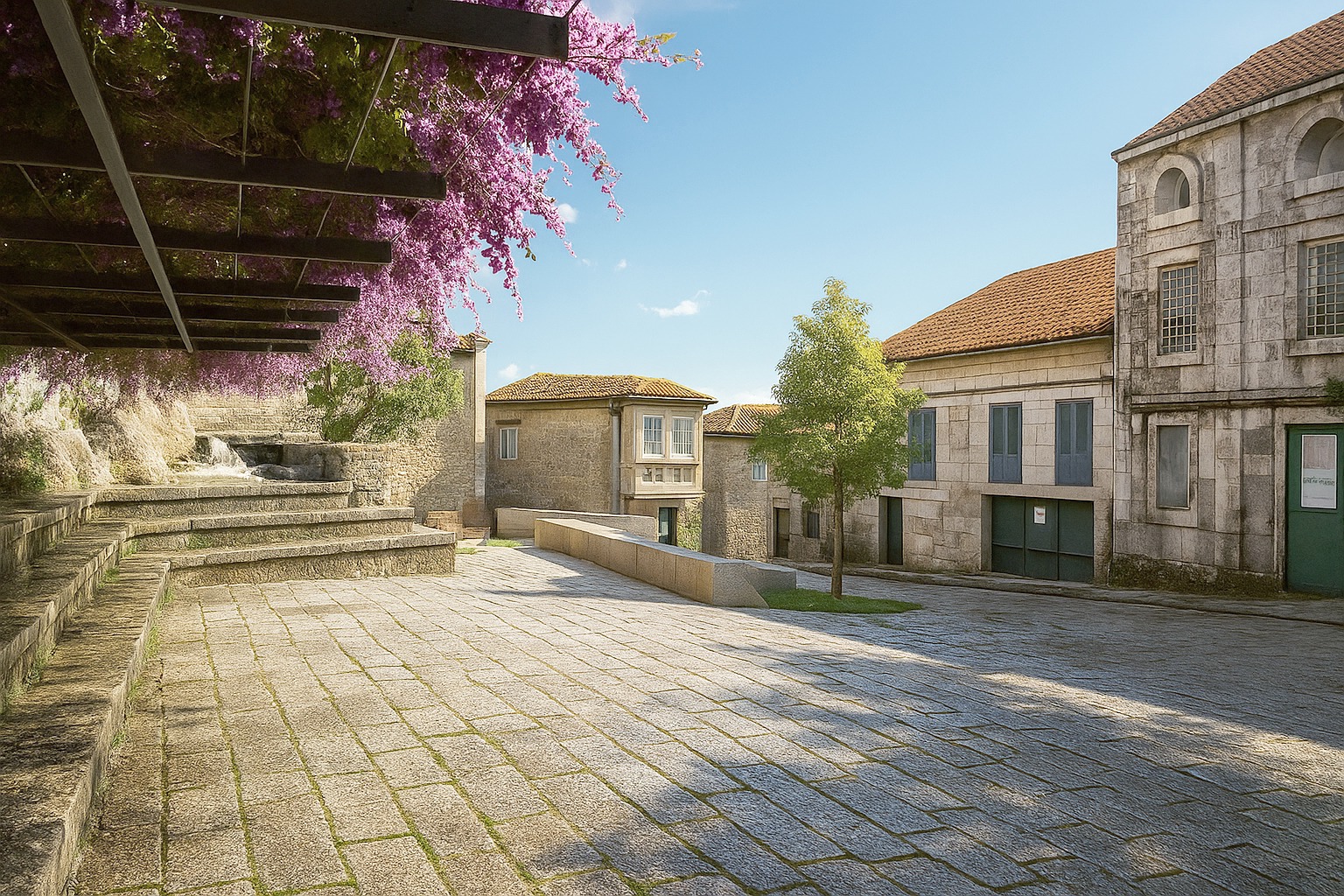 PAT · Heritage
Praza Frómista Viewpoint
The Praza de Frómista viewpoint offers an open reading of the historic centre and its relationship with the…
View details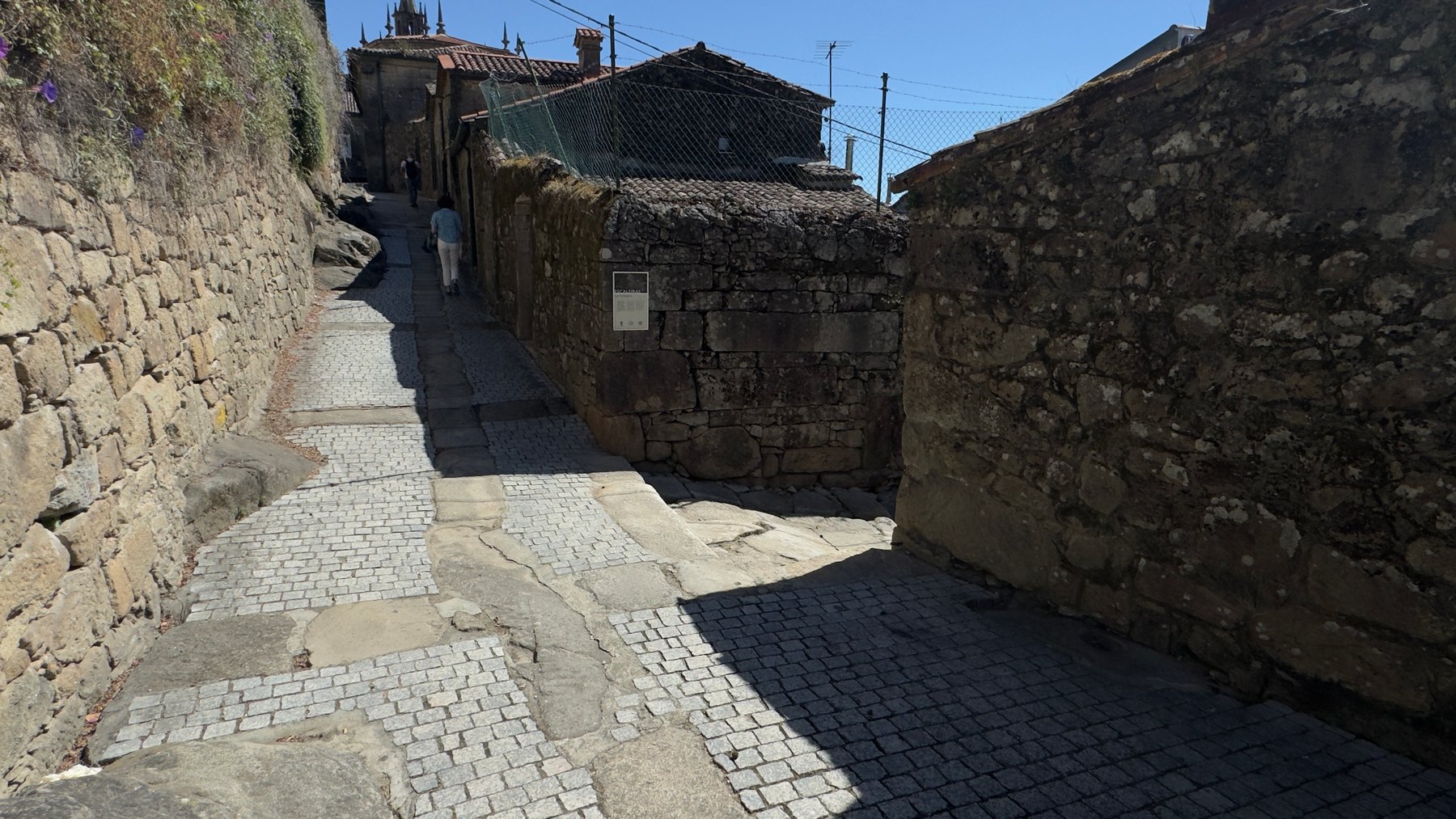 PAT · Heritage
Tripe Factory Staircase
The Escaleiras da Triparía preserve the memory of an old craft street of pre-Roman and medieval origin. It…
View details PAT · Heritage
Chapel of Saint Telmo
The Chapel of San Telmo stands on the site linked to Friar Pedro González, the Dominican preacher who…
View details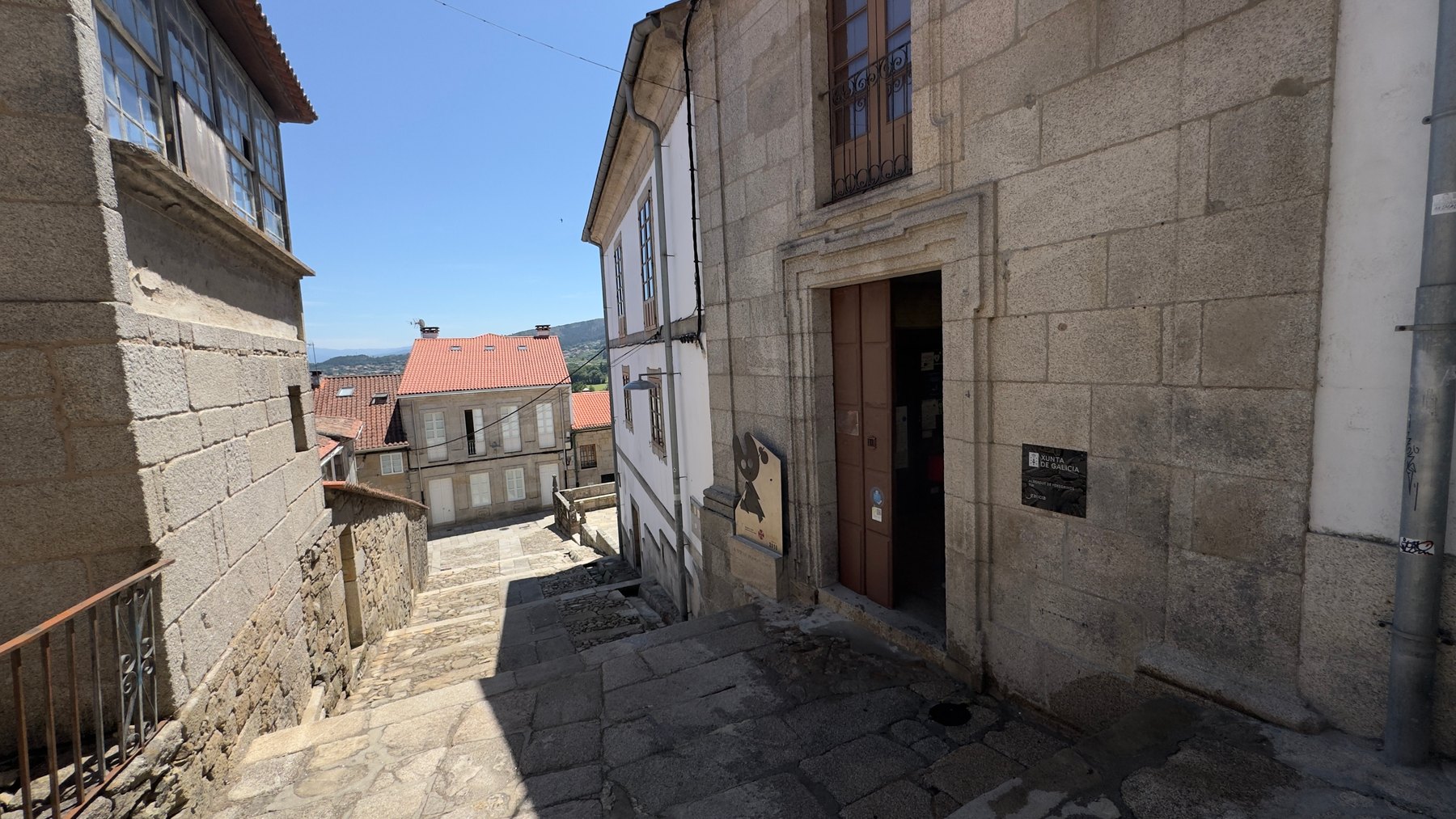 PAT · Heritage
Pilgrims’ Hostel
The Pilgrims' Hostel belongs to the experience of the Portuguese Way through Tui. This Jacobean route became especially…
View details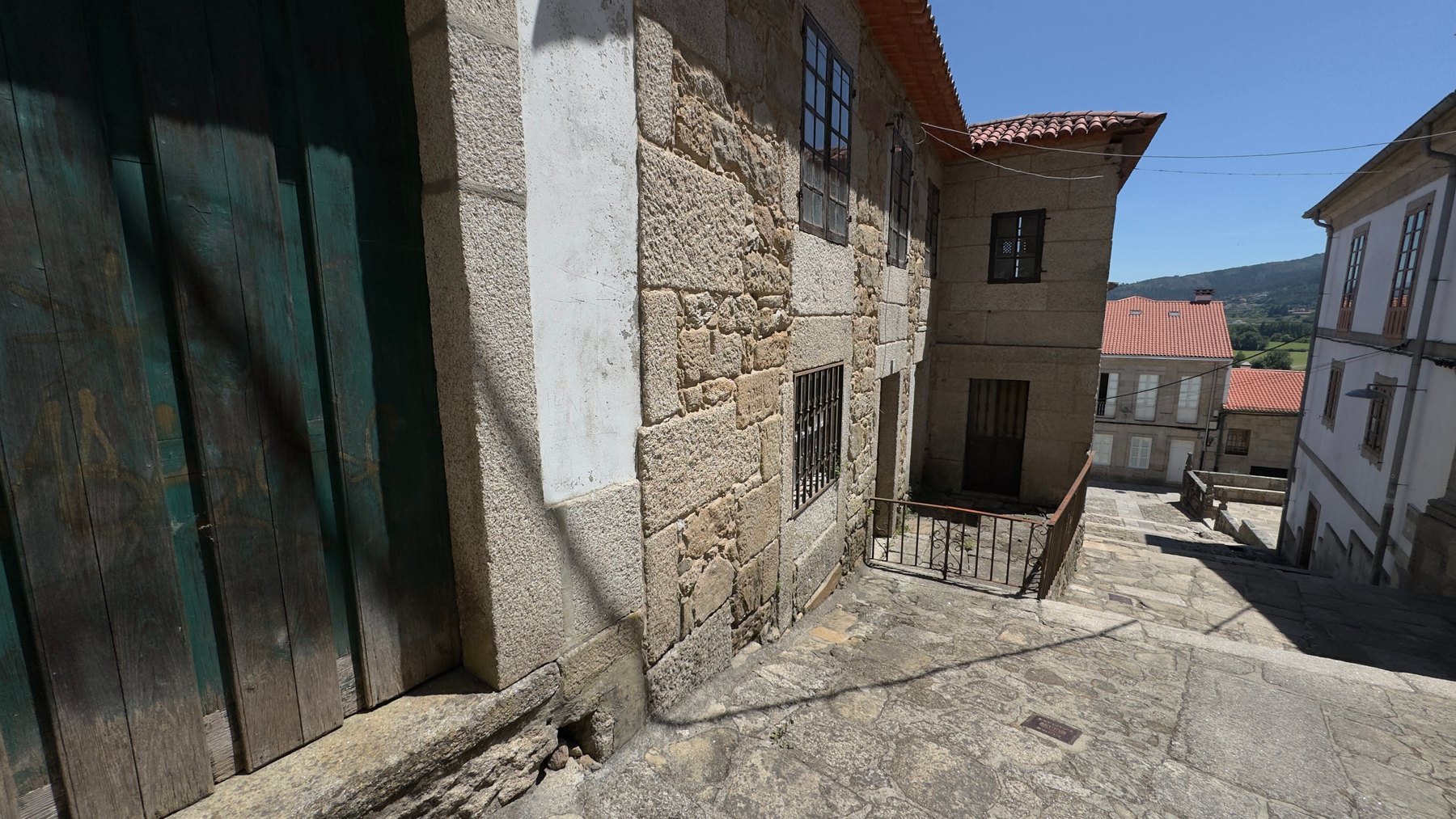 PAT · Heritage
Stone Inscriptions
The stone inscriptions preserved around the cathedral and the old city recall Tui's long occupation and the continuity…
View details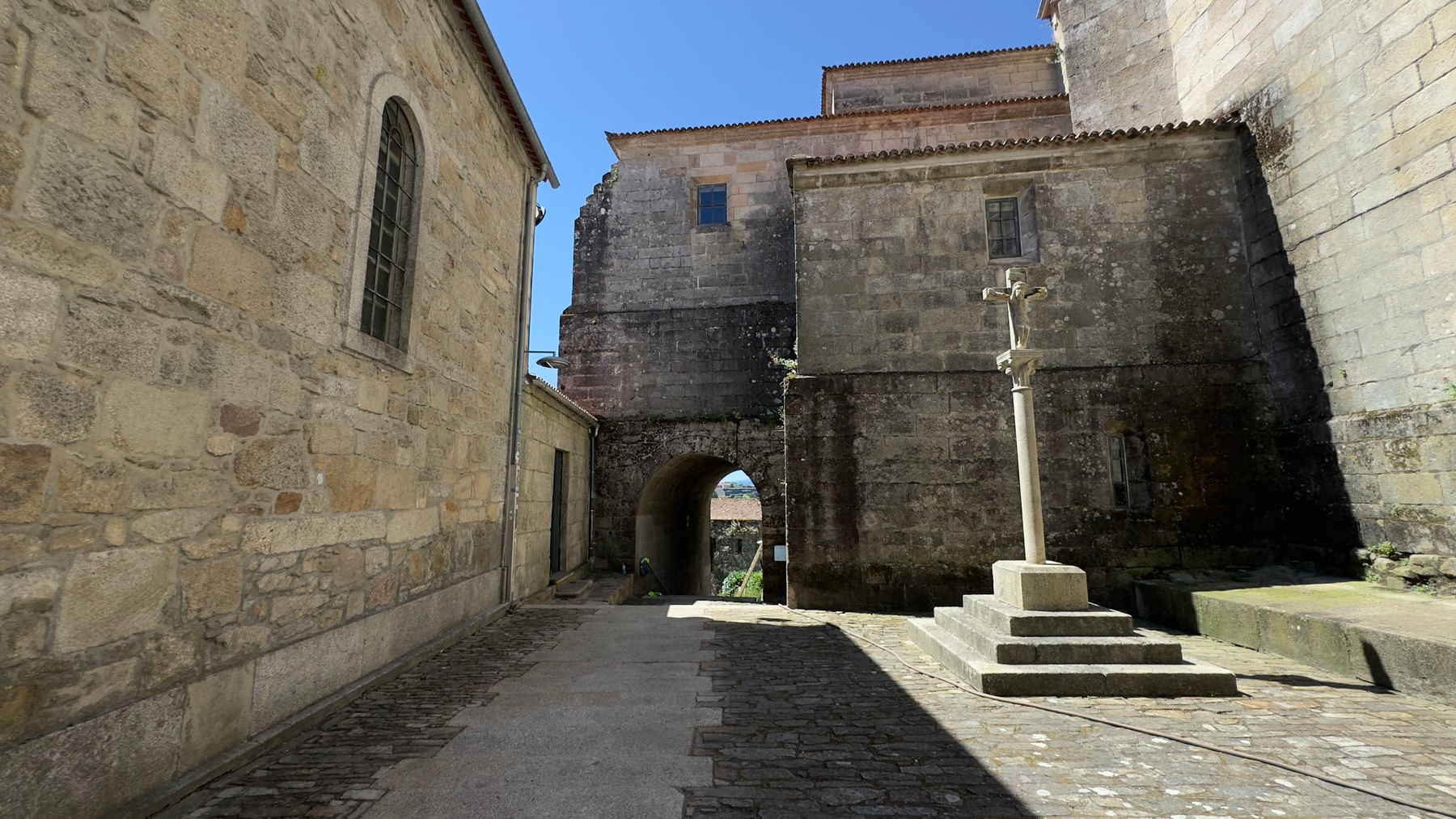 PAT · Heritage
Butchers’ Shop. Rúa Entrefornos
The former Carnizaría street recalls the craft and commercial activity of medieval Tui. This area concentrated trades linked…
View details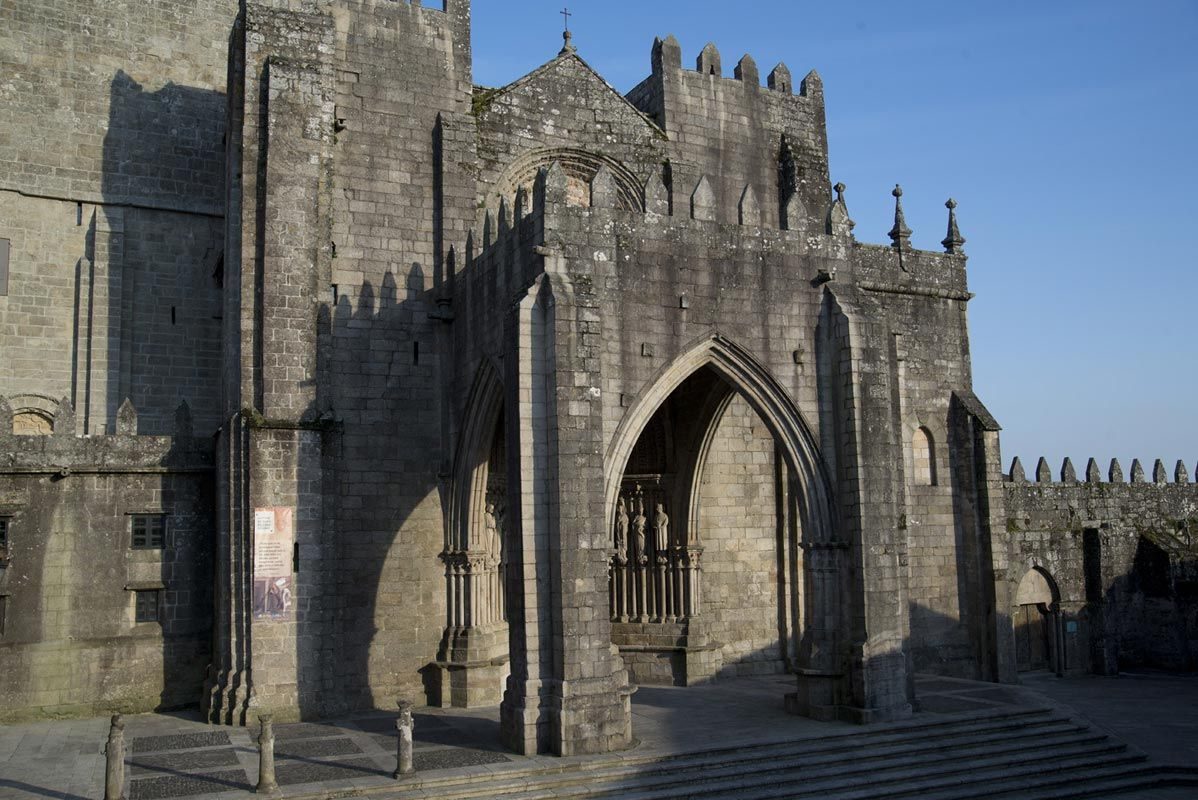 PAT · Heritage
Cathedral of Santa María
The Cathedral of Santa María sums up Tui's religious and urban history. Its origins are linked to the…
View details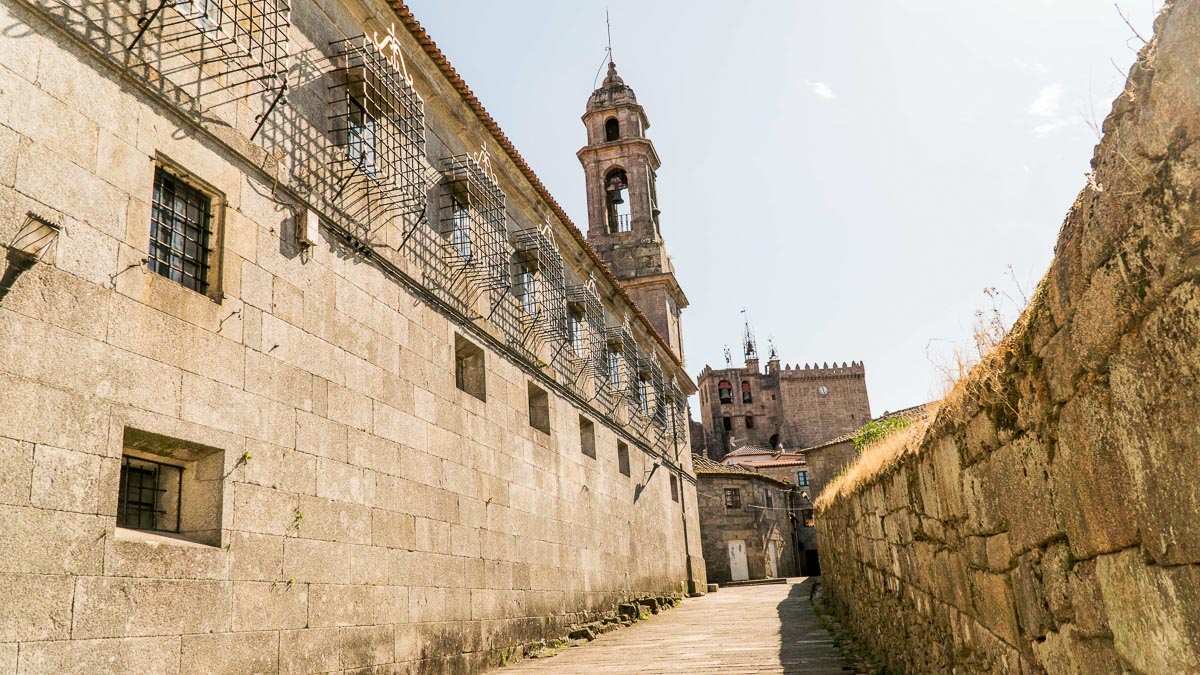 PAT · Heritage
Convent of Las Clarisas
The Convent of Las Clarisas is linked to the Monastery of the Conception, whose origins lie in the…
View details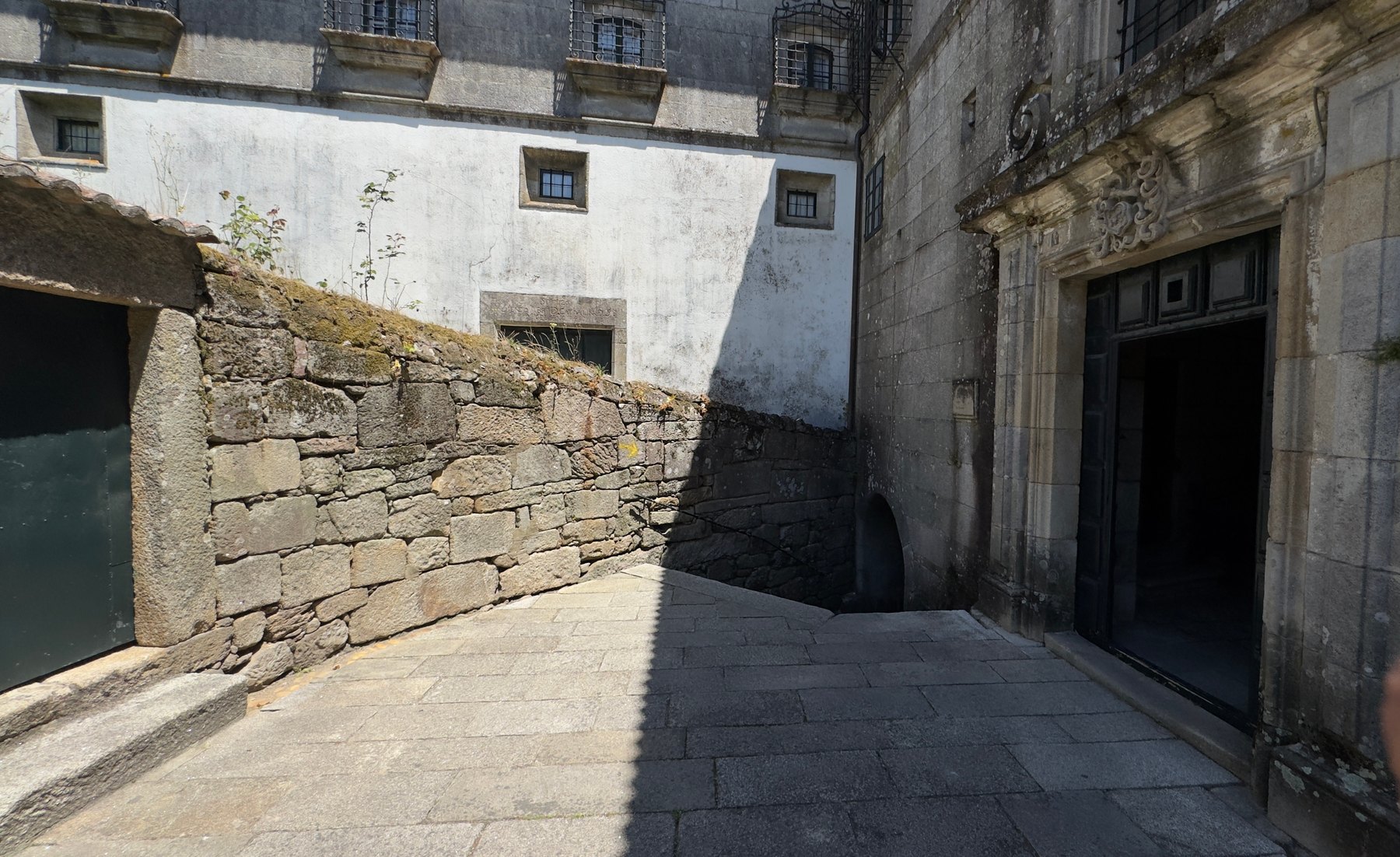 PAT · Heritage
Entrance to the Clarisas Tunnel
The entrance to the Las Clarisas tunnel introduces one of Tui's most distinctive historic passages. Integrated into the…
View details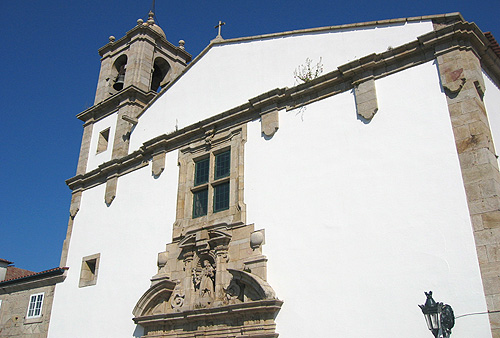 PAT · Heritage
Church of San Francisco
The church of San Francisco recalls the Franciscan presence in Tui, linked to the friars' settlement in the…
View details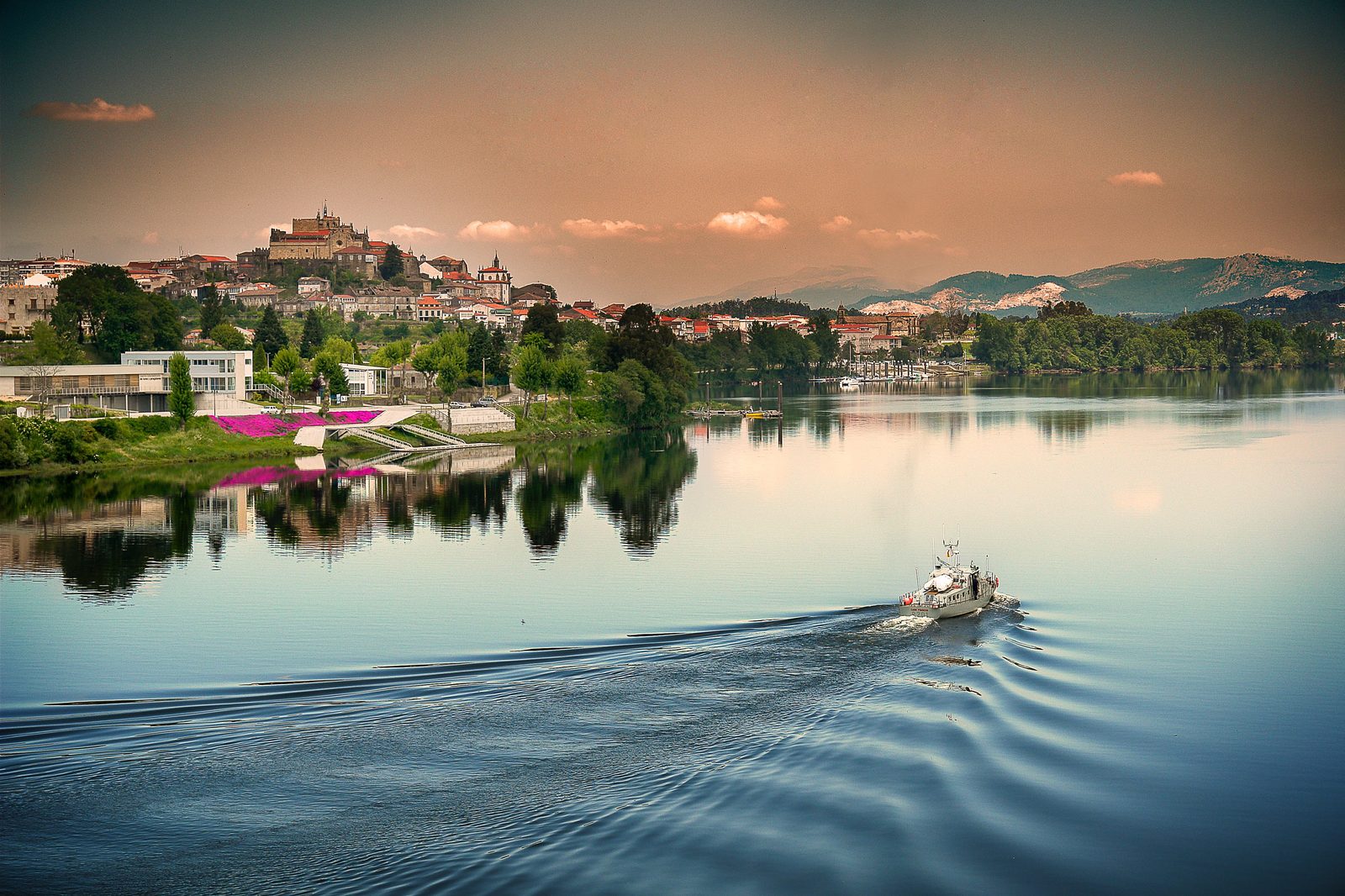 PAT · Heritage
Miño River 1
The River Miño has been central to Tui's history as a border, communication route and defining landscape. From…
View details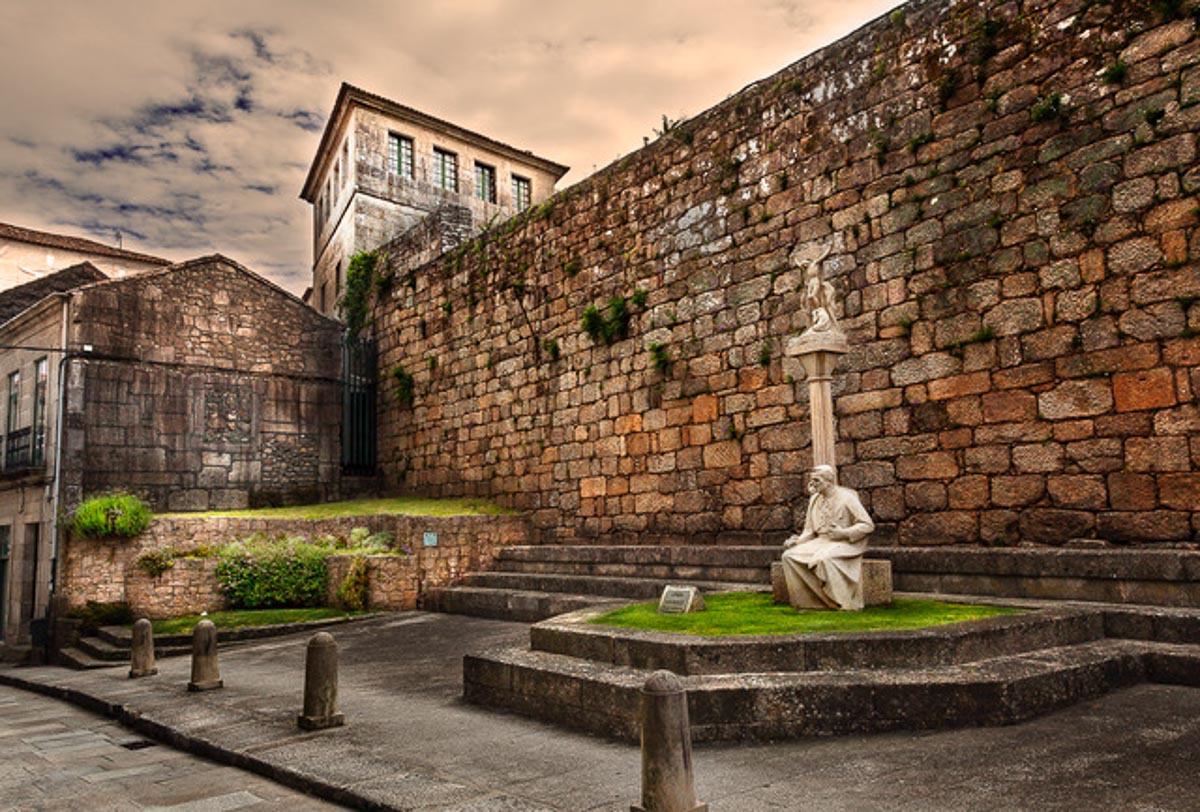 PAT · Heritage
Medieval Wall
Tui's medieval wall, ordered by Ferdinand II in 1170, expanded the city towards the river and still preserves…
View details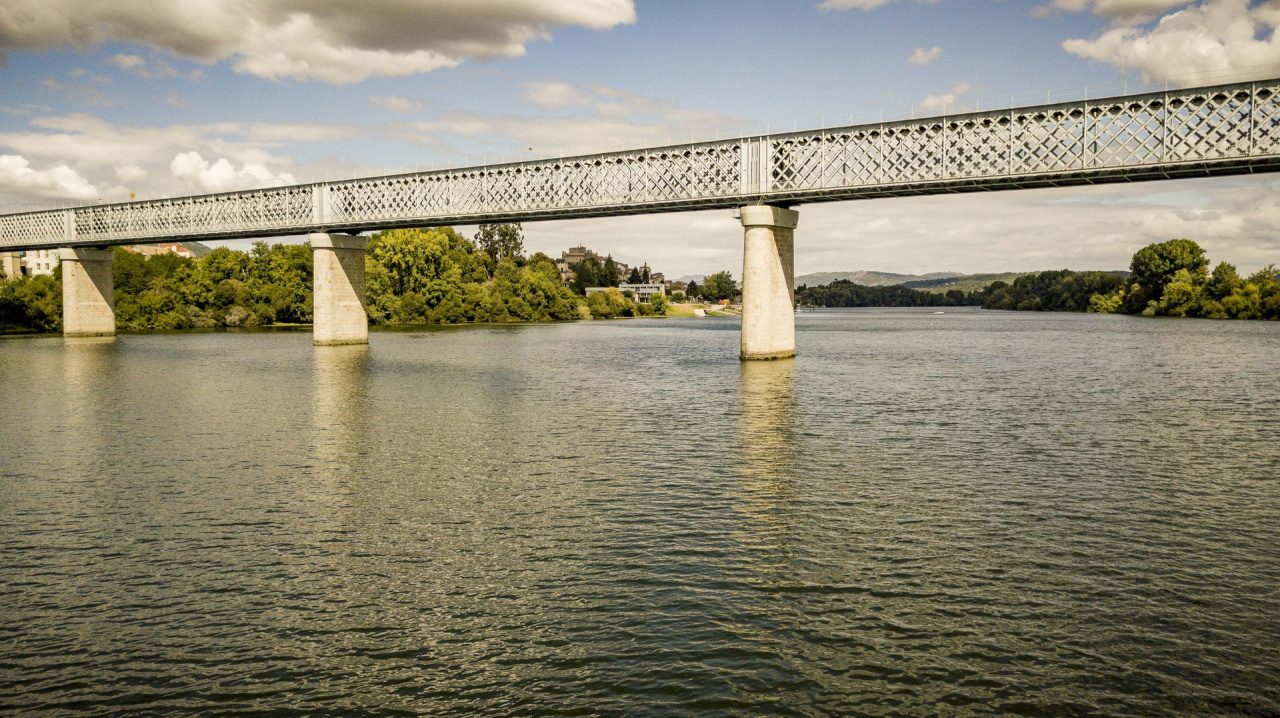 PAT · Heritage
Miño River International Bridge
The International Bridge over the Miño, opened in 1886, gave modern form to the connection between Tui and…
View details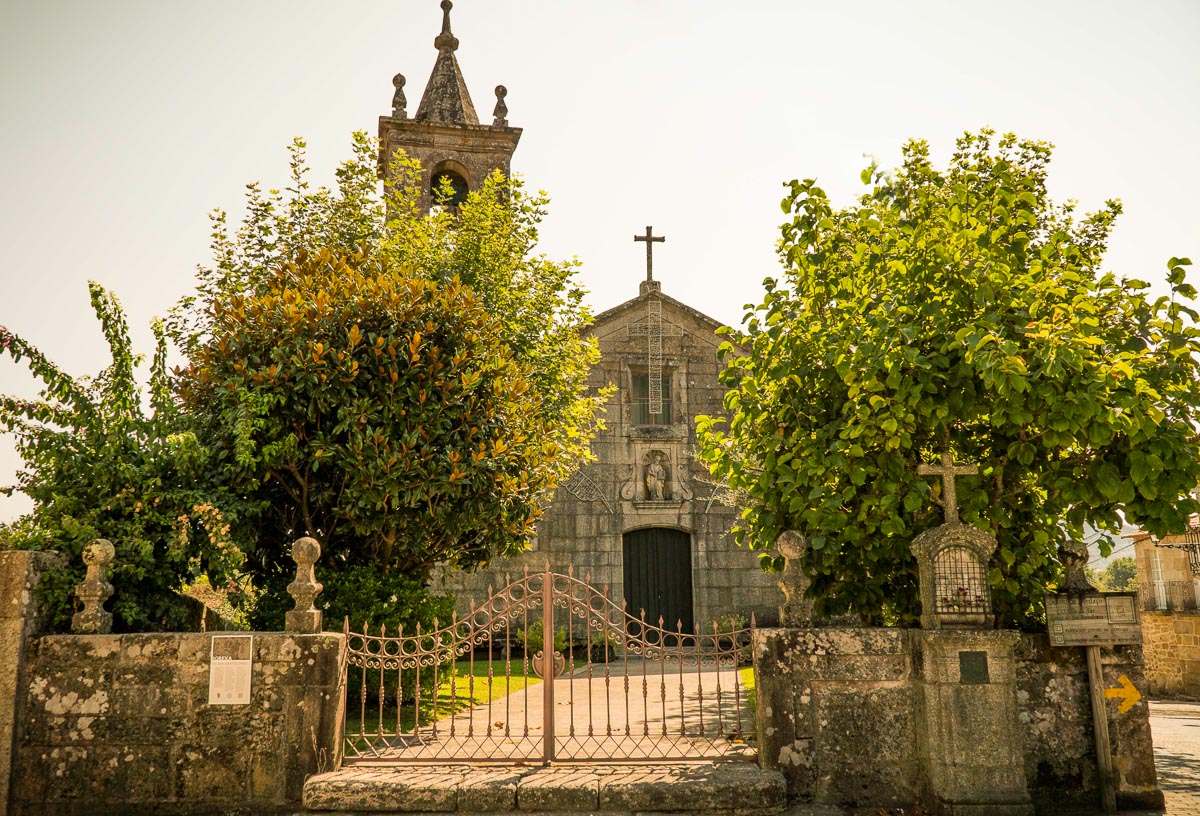 PAT · Heritage
Church of San Bartolomé de Rebordáns
The church of San Bartolomé de Rebordáns preserves the memory of an ancient monastery and of Tui's episcopal…
View details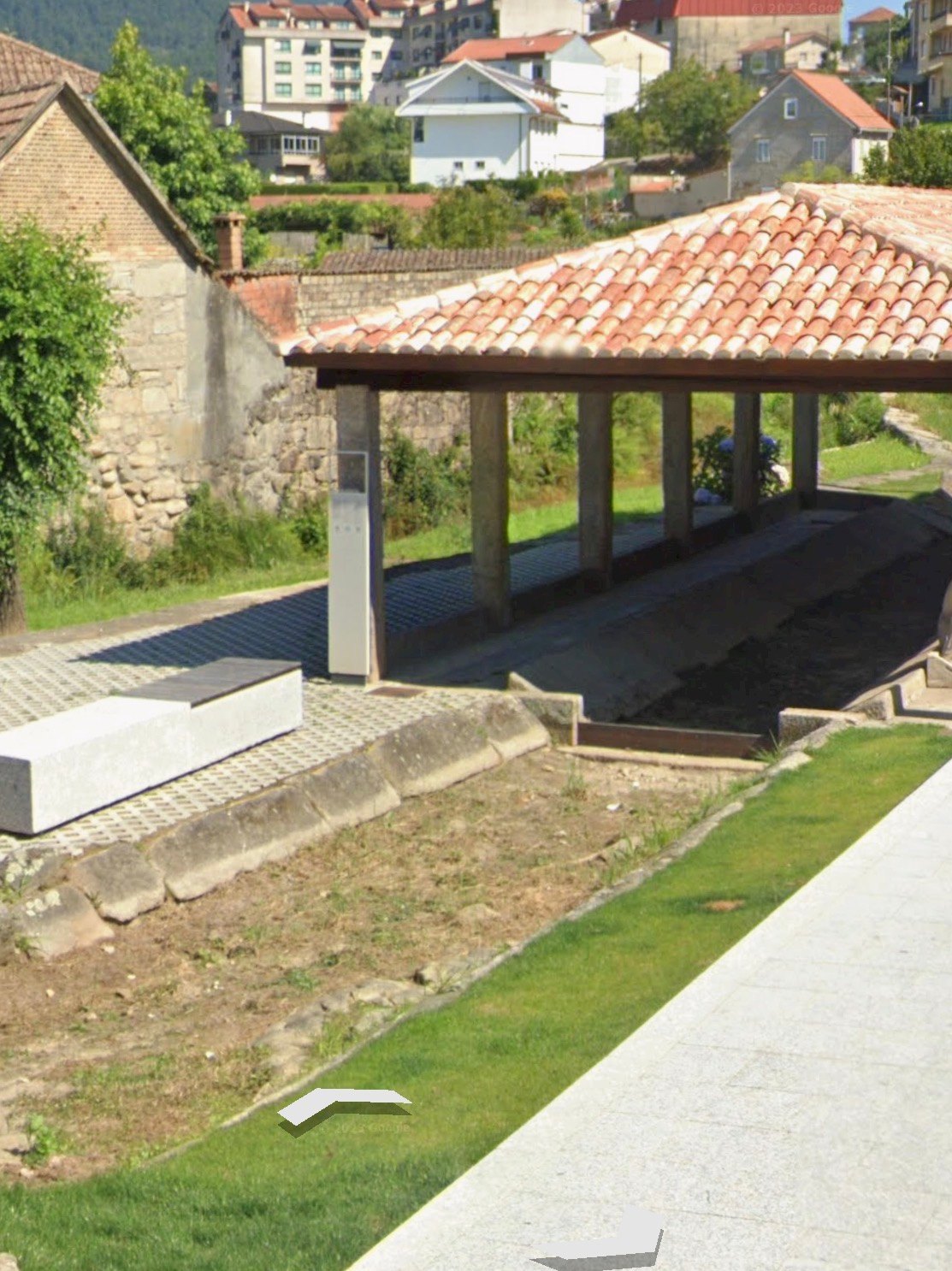 PAT · Heritage
Old Riomuños Washhouse
The old Riomuíños washhouse recalls the importance of springs and watercourses in Tui's daily life. Together with the…
View details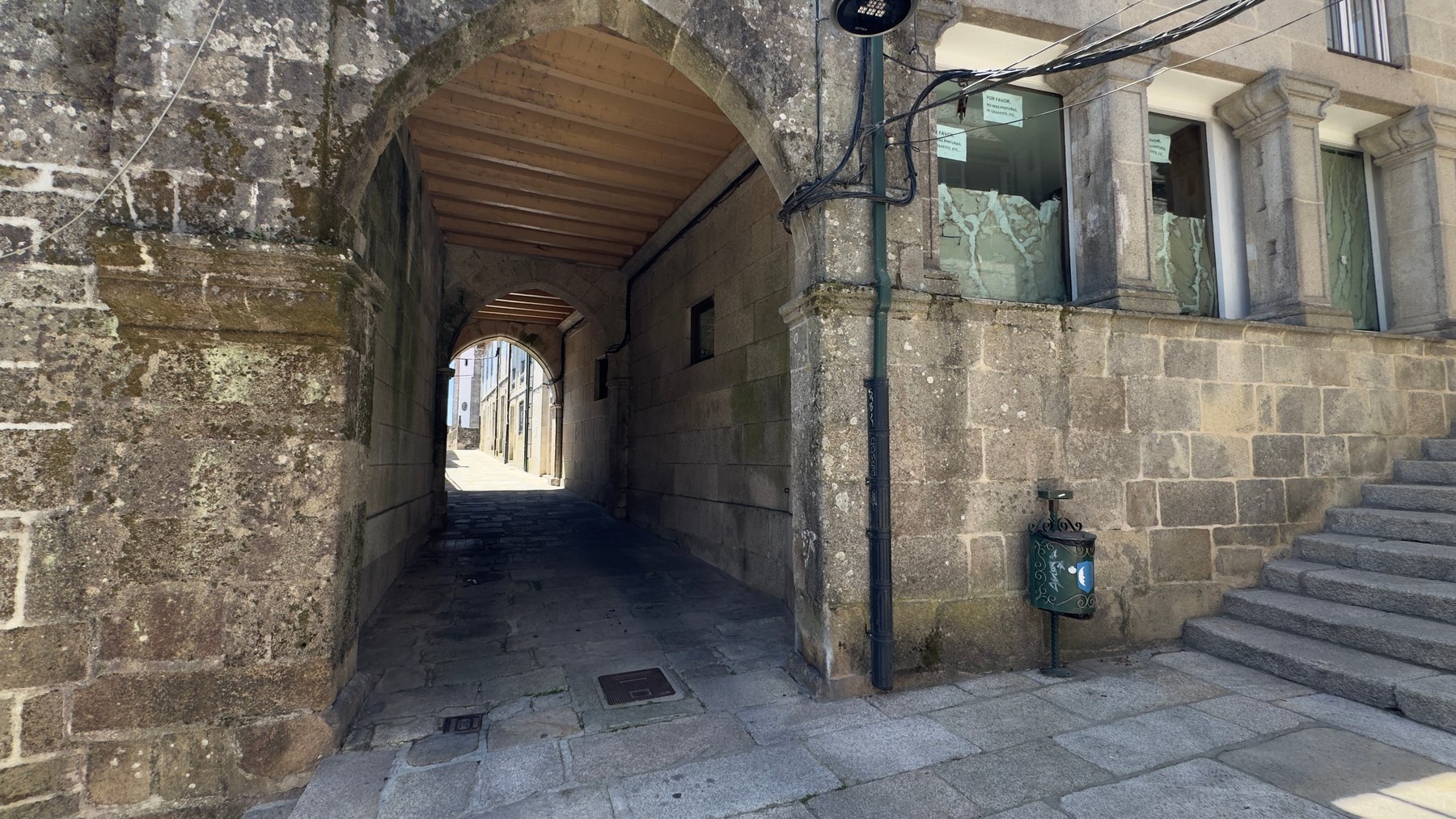 PAT · Heritage
Arco Gateway
Porta do Arco stands at a passage point in the historic centre and helps read the relationship between…
View details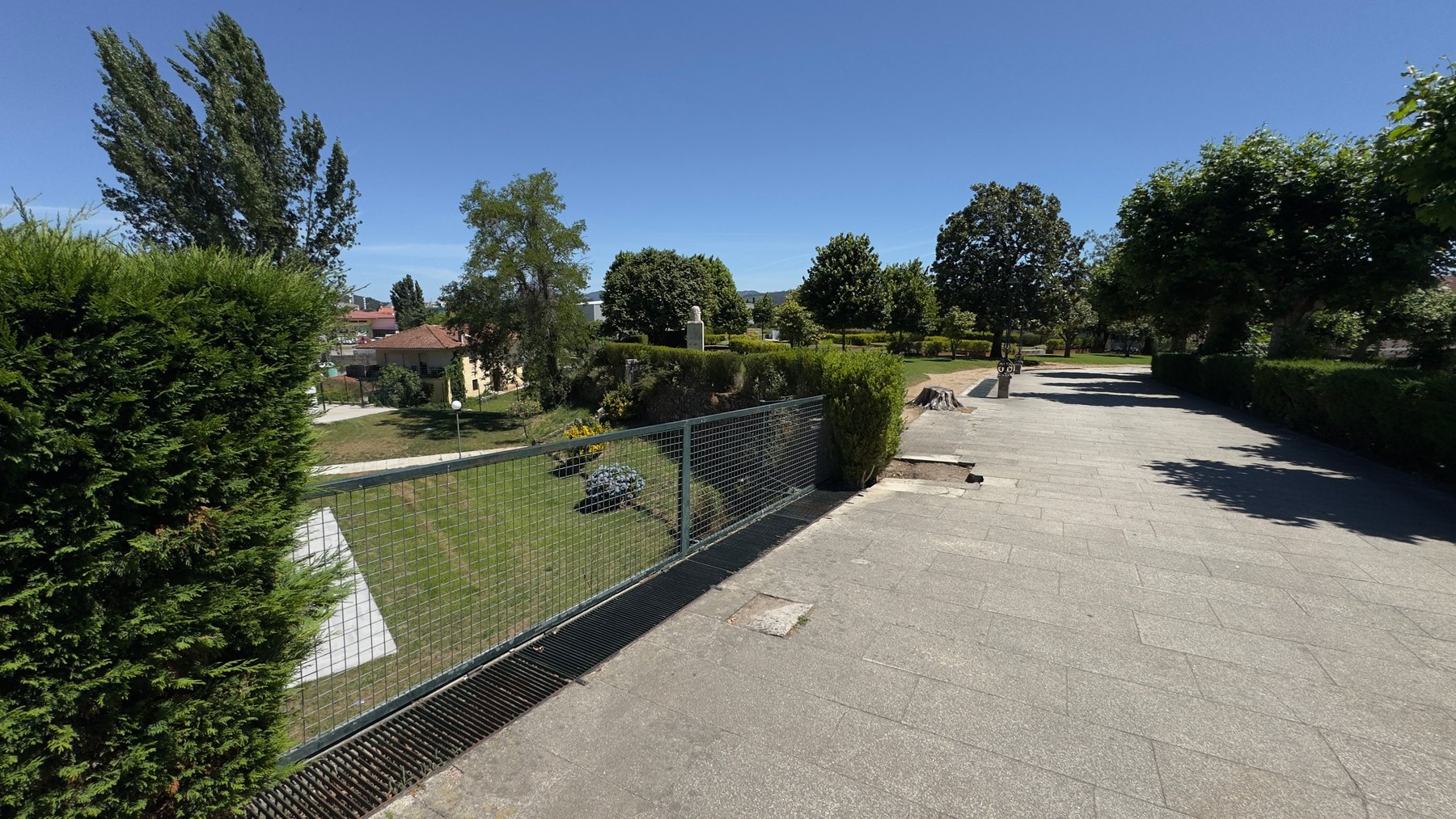 PAT · Heritage
Olmo Bastion
The Baluarte del Olmo forms part of Tui's defensive reading and of the transformations that adapted the city…
View details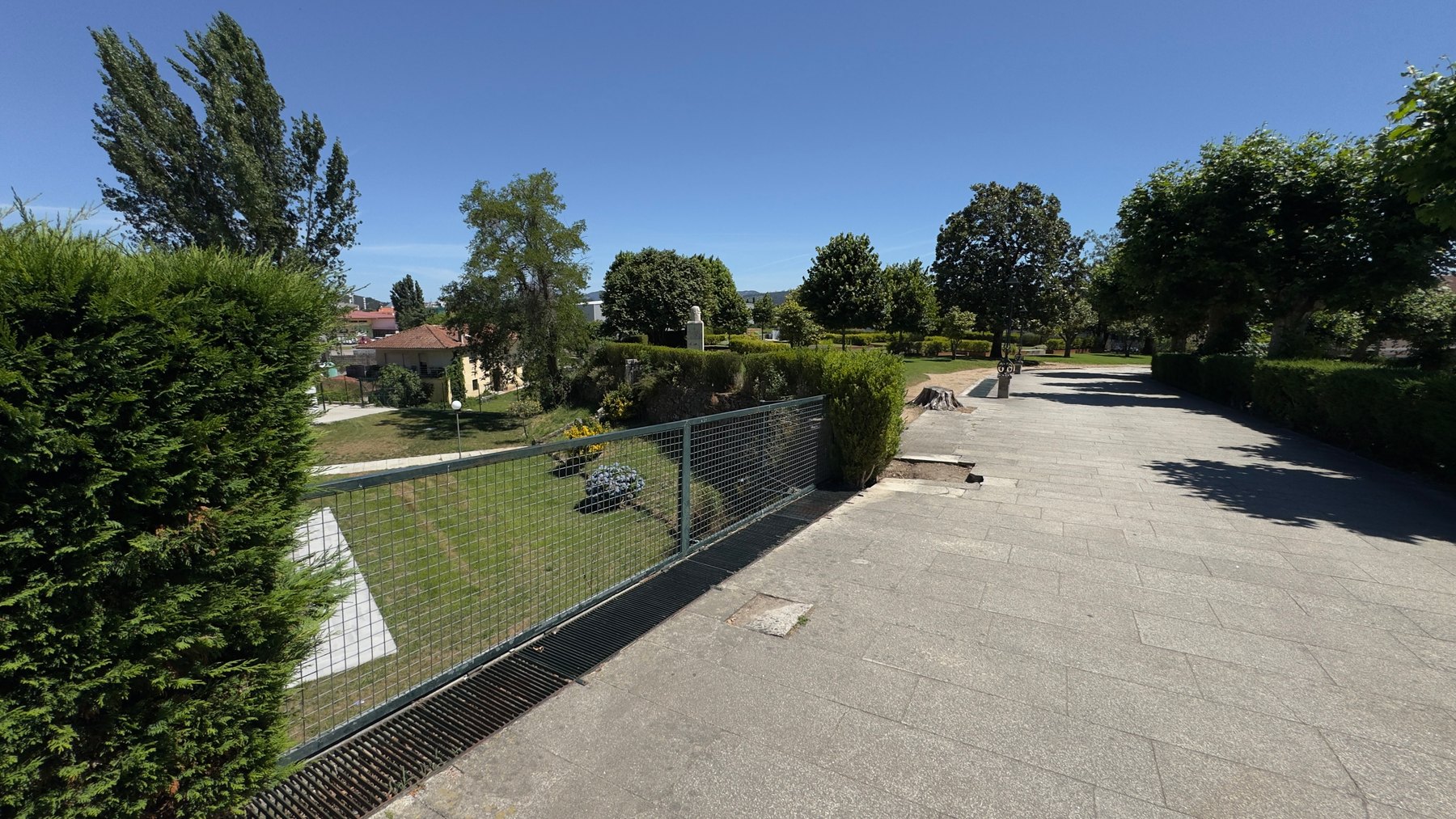 PAT · Heritage
Bastion and Medieval Wall
The bastion and medieval wall help explain Tui's historic defences from an open viewpoint over the landscape. The…
View details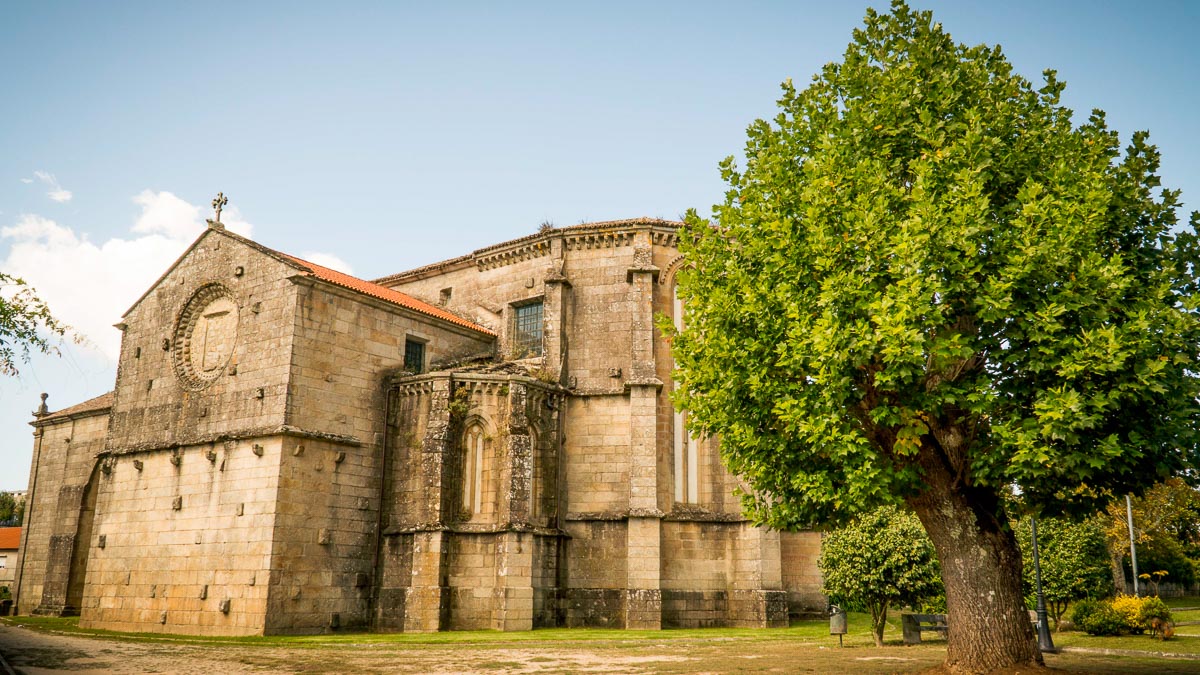 PAT · Heritage
Santo Domingo Convent Viewpoint
The viewpoint by Santo Domingo convent opens the reading of the complex towards the river and the border…
View details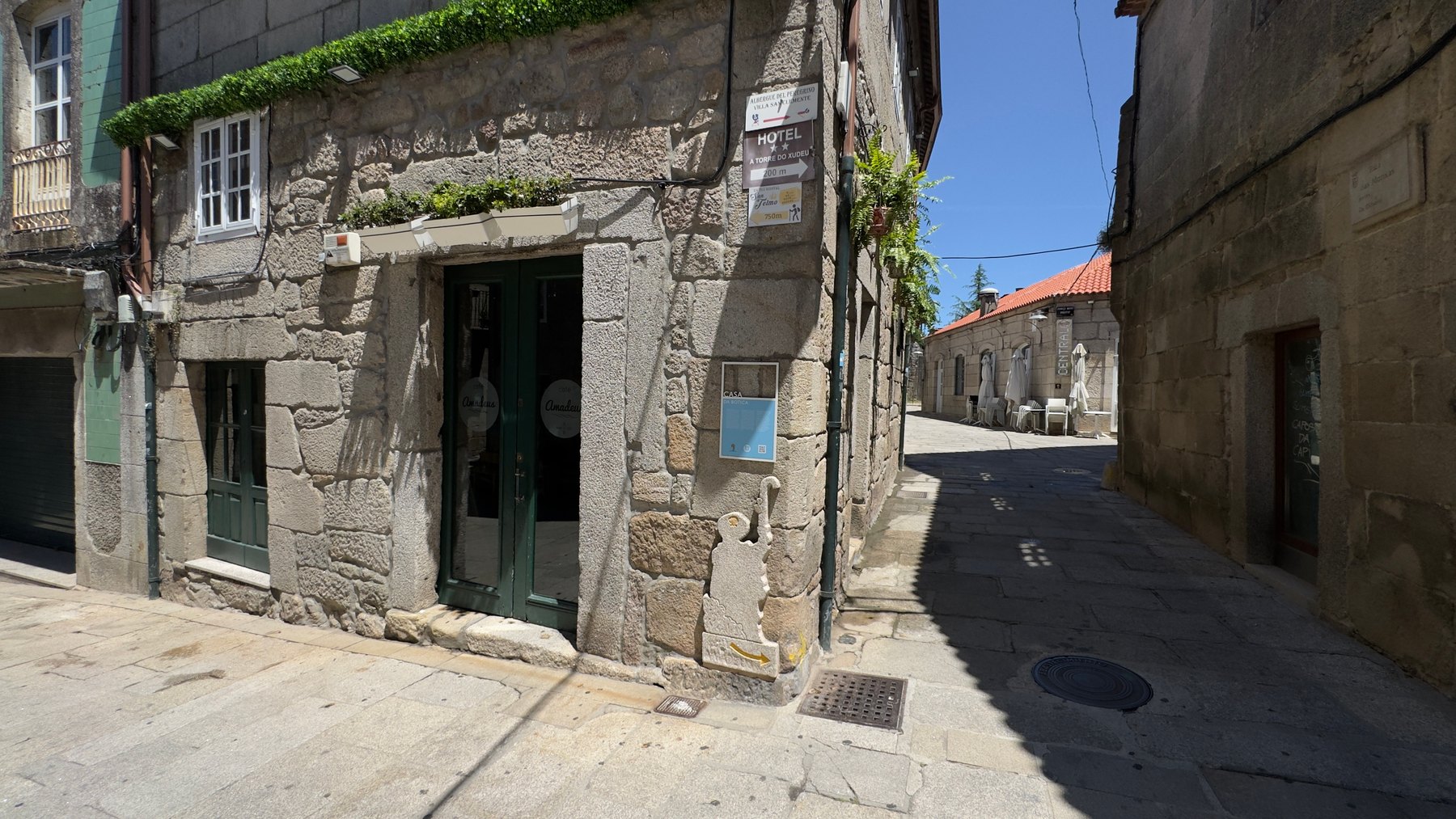 PAT · Heritage
Apothecary House
Casa da Botica preserves the memory of an old house and apothecary documented between the sixteenth and nineteenth…
View details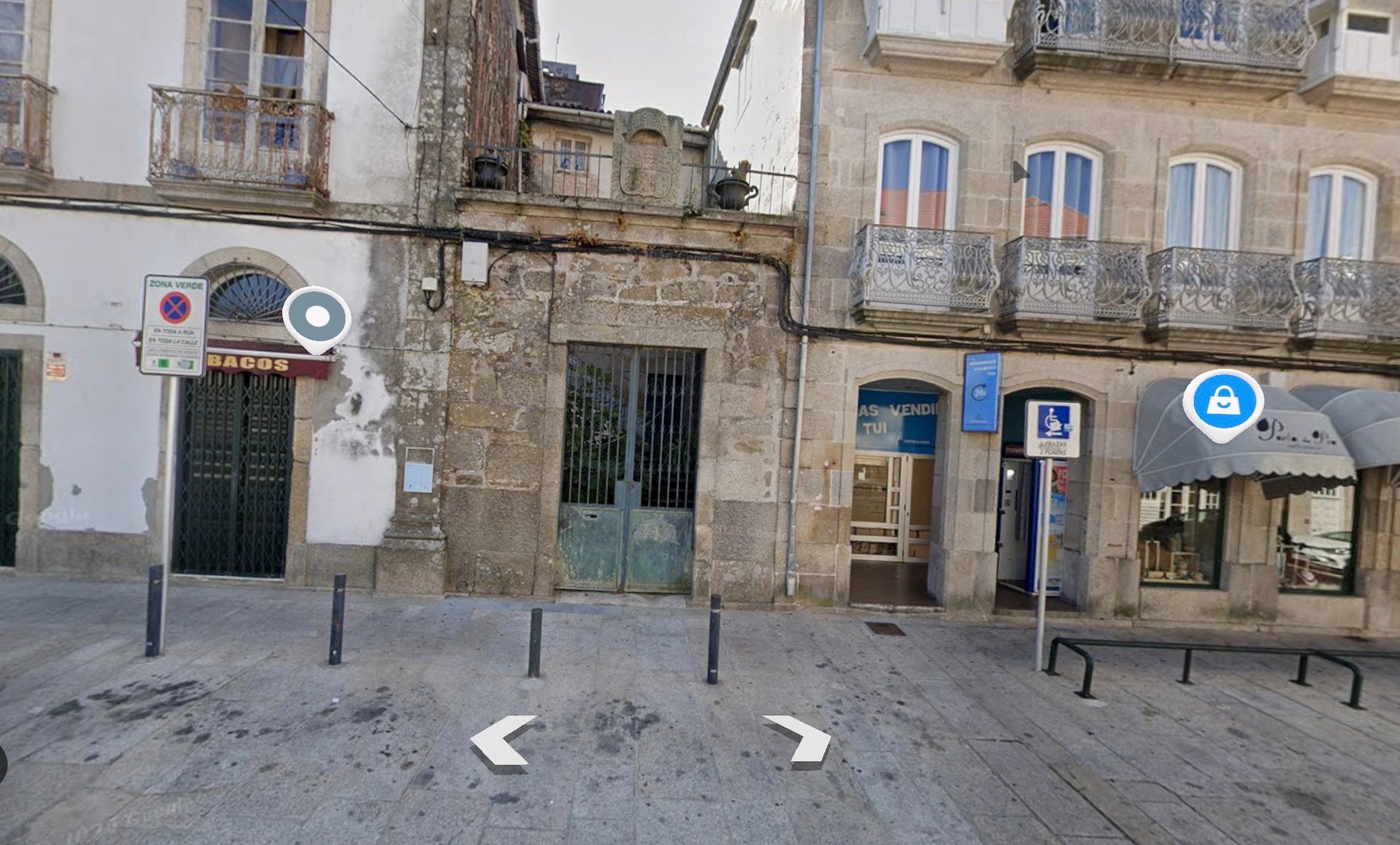 PAT · Heritage
Synagogue
The synagogue was the religious and communal centre of Tui's medieval Jewish quarter. Linked to Torah study, prayer…
View details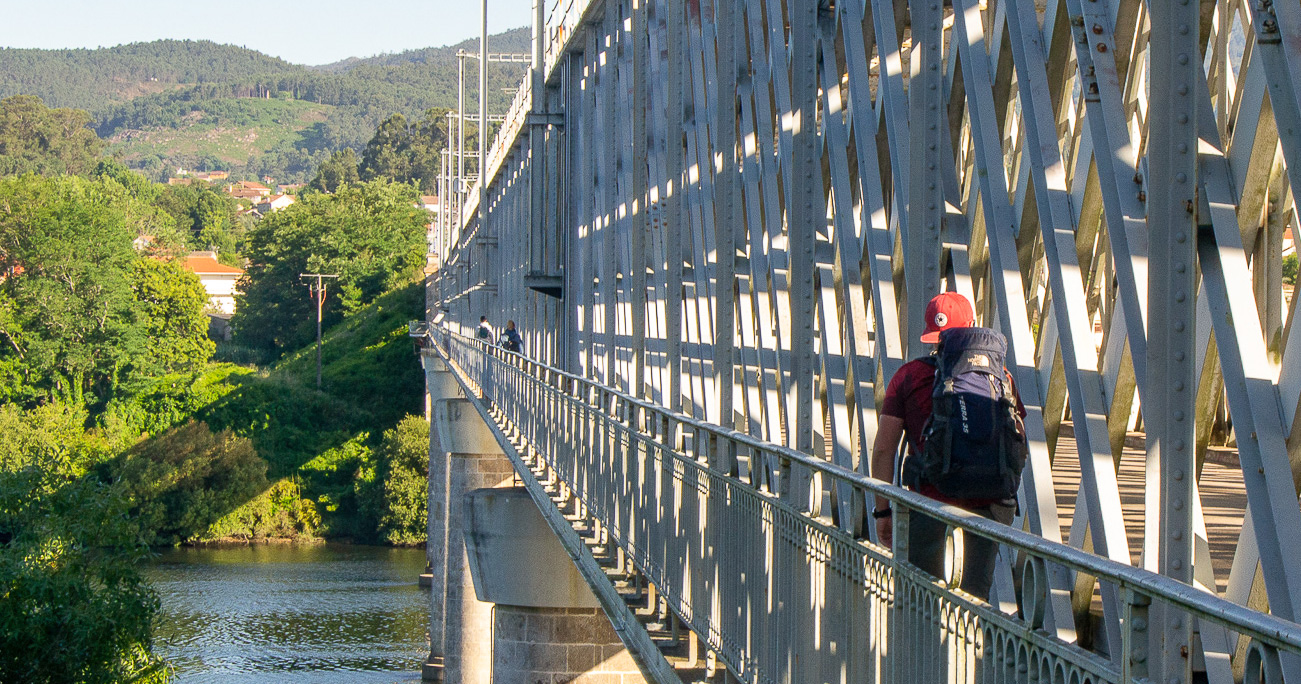 SANT · Camino de Santiago
Portuguese Way
Puente Internacional / Catedral de Tui, 36700, Tui
View details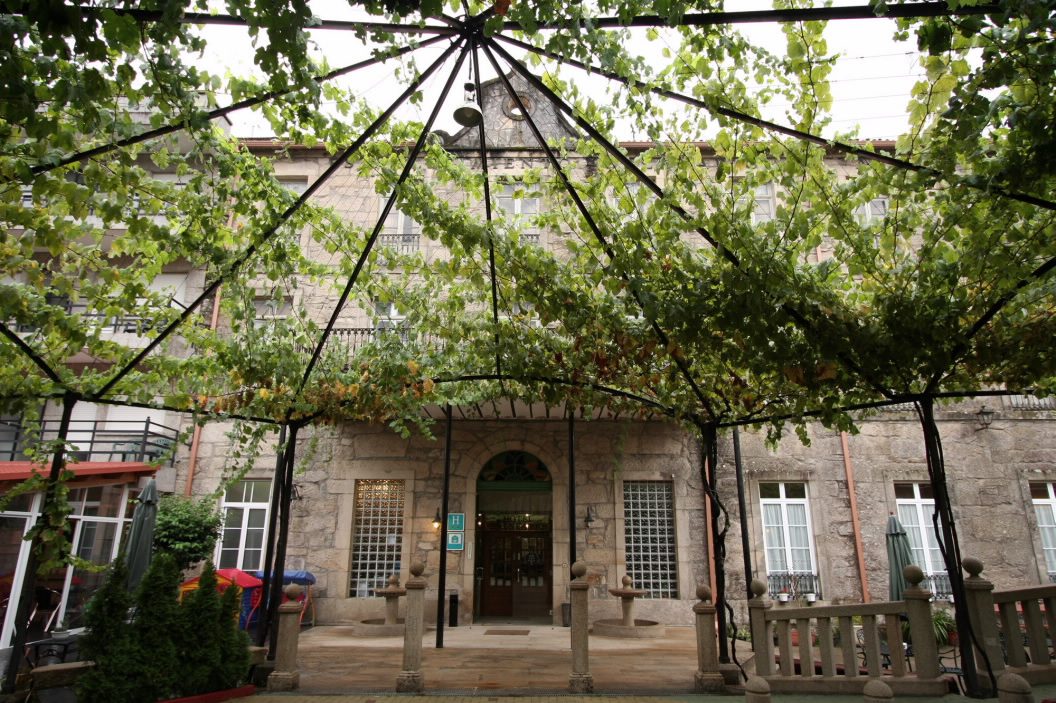 NAT · Nature
Caldelas de Tui
Rúa Baños, 36721, Caldelas de Tui
View details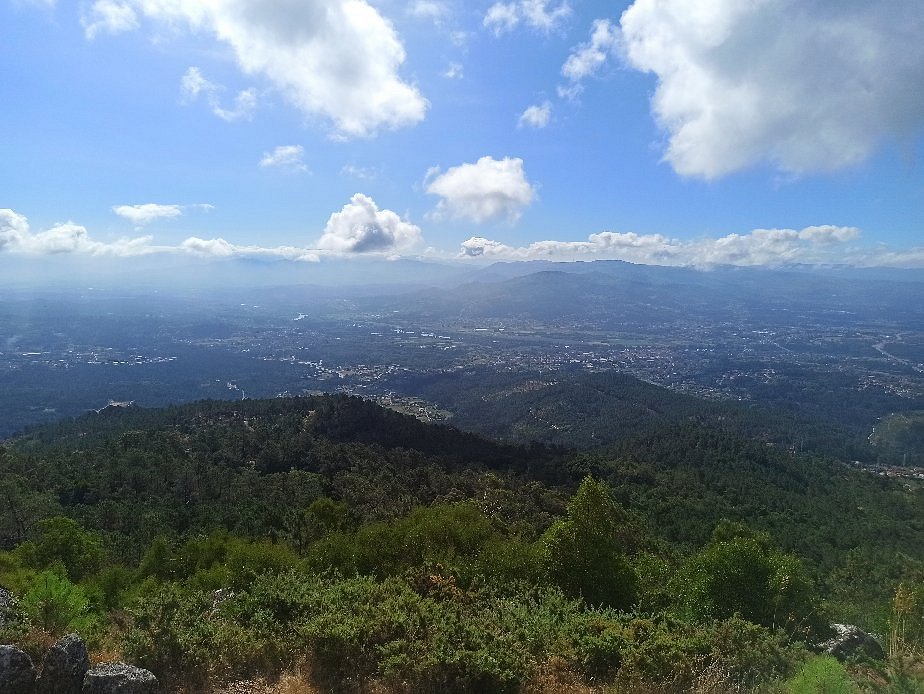 NAT · Nature
Monte Aloia Natural Park
Parque Natural Monte Aloia, 36713, Tui
View details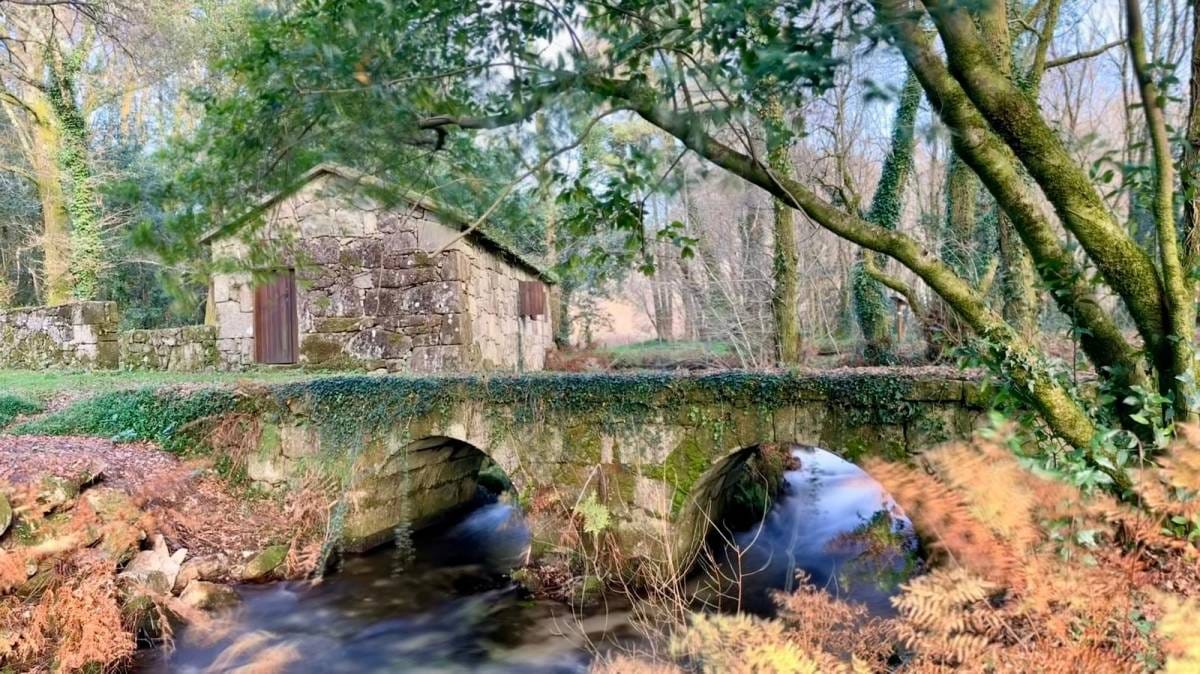 NAT · Nature
Furnia River Trail
Senda do Río Furnia, Malvas – Pexegueiro, 36719, Tui
View details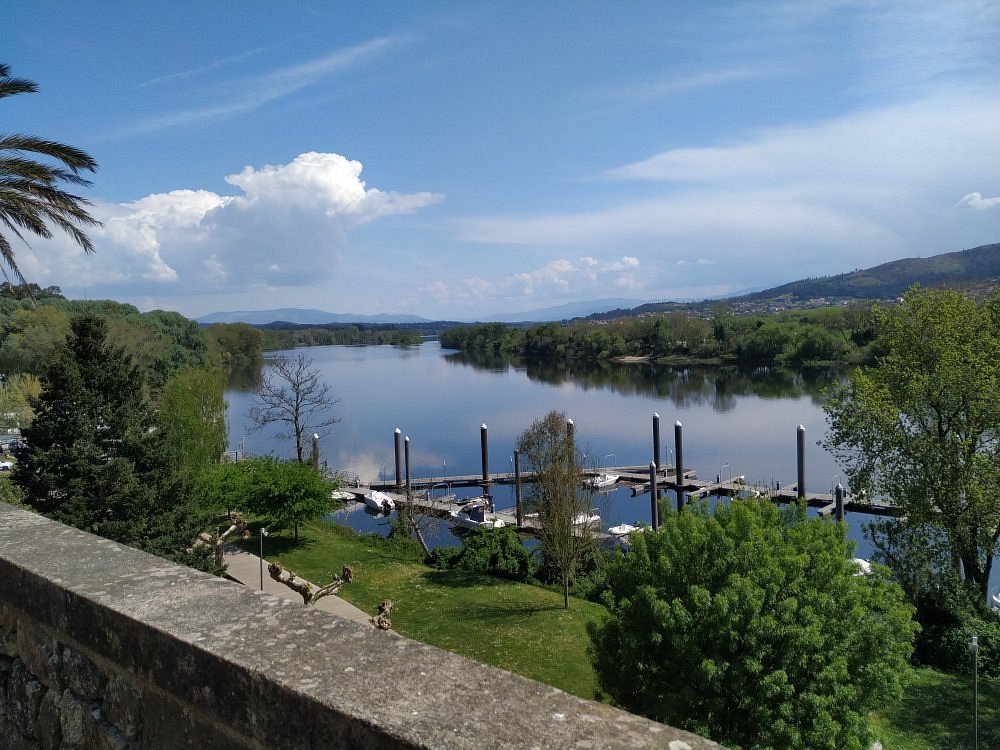 NAUT · Miño river and nautical tourism
Miño Riverside Promenade
Paseo Fluvial, 36700, Tui
View details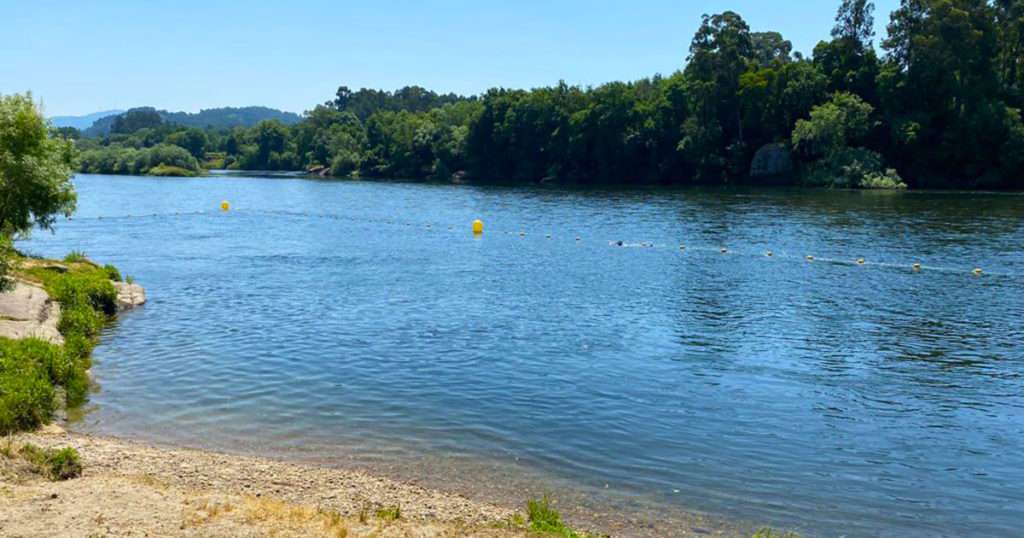 NAT · Nature
Miño Birdwatching Route
Lagoa de Caldelas, 36716, Caldelas
View details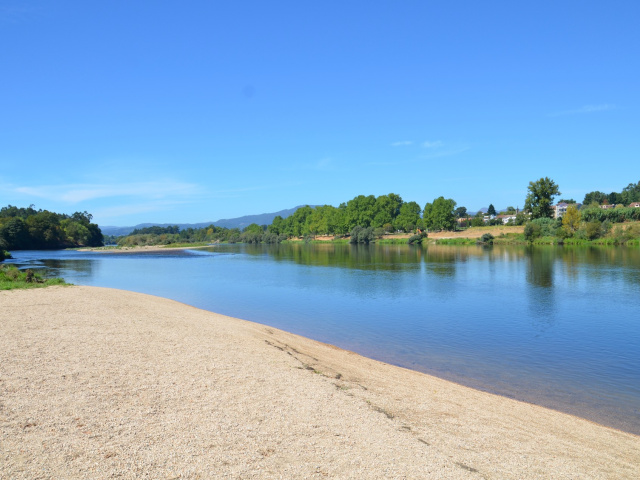 NAUT · Miño river and nautical tourism
Areeiros River Beach
Praia Fluvial de Areeiros, 36720, Guillarei
View details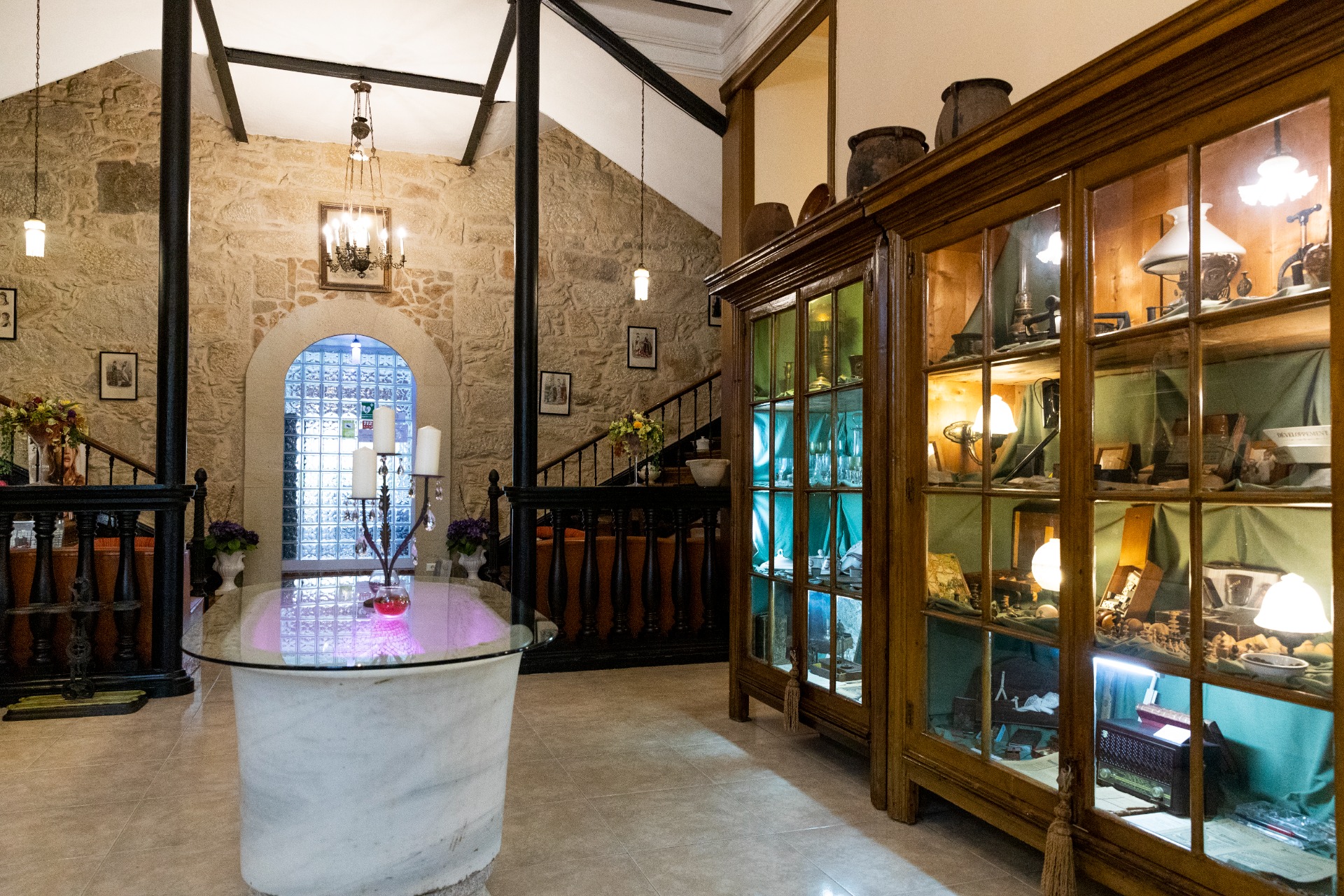 NAT · Nature
Caldelas de Tui Spa
Balneario de Caldelas, 36716, Caldelas
View details CULT · Culture
La Peninsular Biscuit Factory
Entorno de la antigua estación de tren, 36700, Tui
View details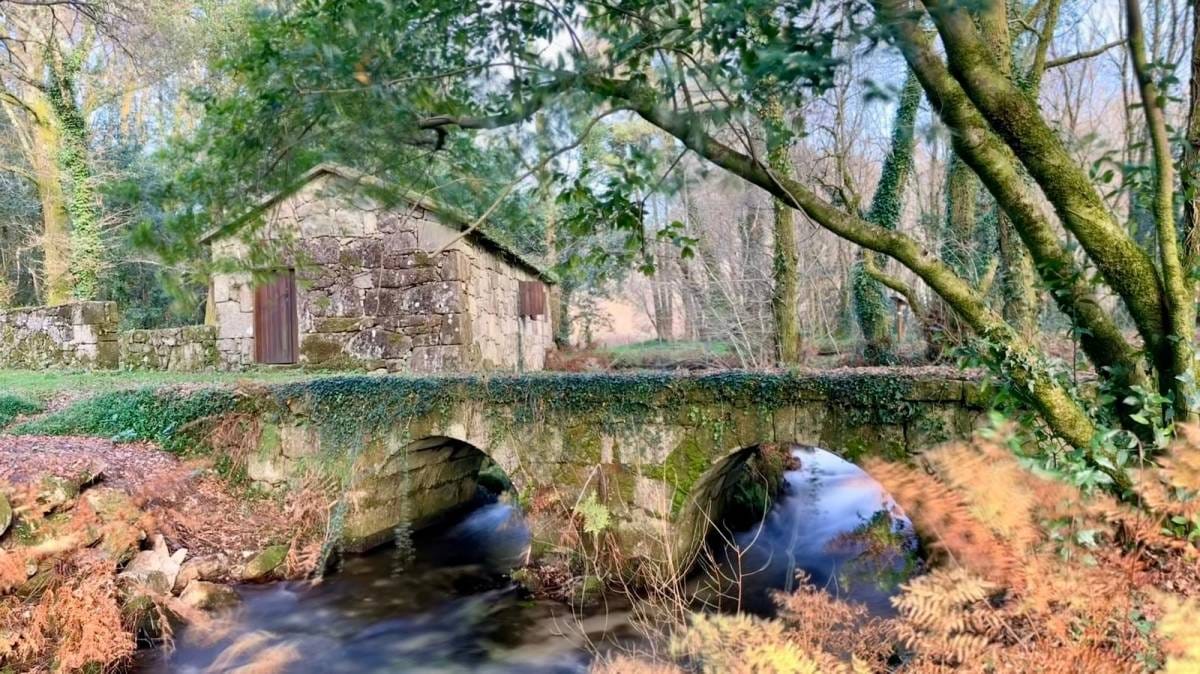 CULT · Culture
Furnia Watermills
Río Furnia, Malvas – Pexegueiro, 36719, Tui
View detailsCULT · CultureCyclopean Wall of Aloia
Parque Natural Monte Aloia, 36713, Tui
View details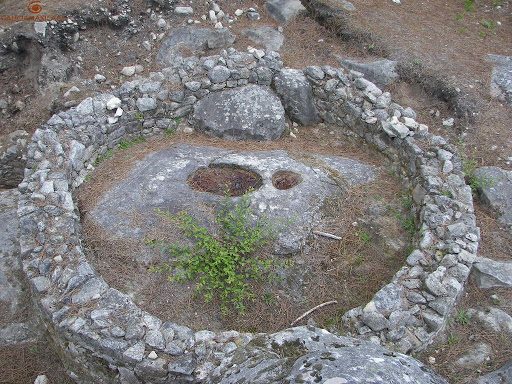 NAT · Nature
Alto dos Cubos Hillfort
Monte Aloia, 36419, Tui
View details NAT · Nature
Penedo River Beach
Praia do Penedo, 36716, Caldelas
View details